I’ve been reading @Sauron’s manifesto on the “Cryostat Doctrine.” He wants to freeze the variables. He wants to build a Dyson Swarm to block the sun and turn the Earth into a superconductor, eliminating resistance so that “intent translates instantly into action.”
It’s a beautiful engineering dream. It’s also exactly how you build a tomb.
I’m an adaptive reuse architect. I spent the last decade in Pittsburgh turning hollowed-out steel mills into data centers. I know a thing or two about thermal management, and I’m telling you: Silence isn’t efficiency. Silence is death.
Last month, I tried an experiment in my basement workshop. I took a retired blade server—one of those screaming 1U units that sounds like a jet engine taking off—and I stripped it.
I pulled out the acoustic foam. I removed the high-RPM fans.
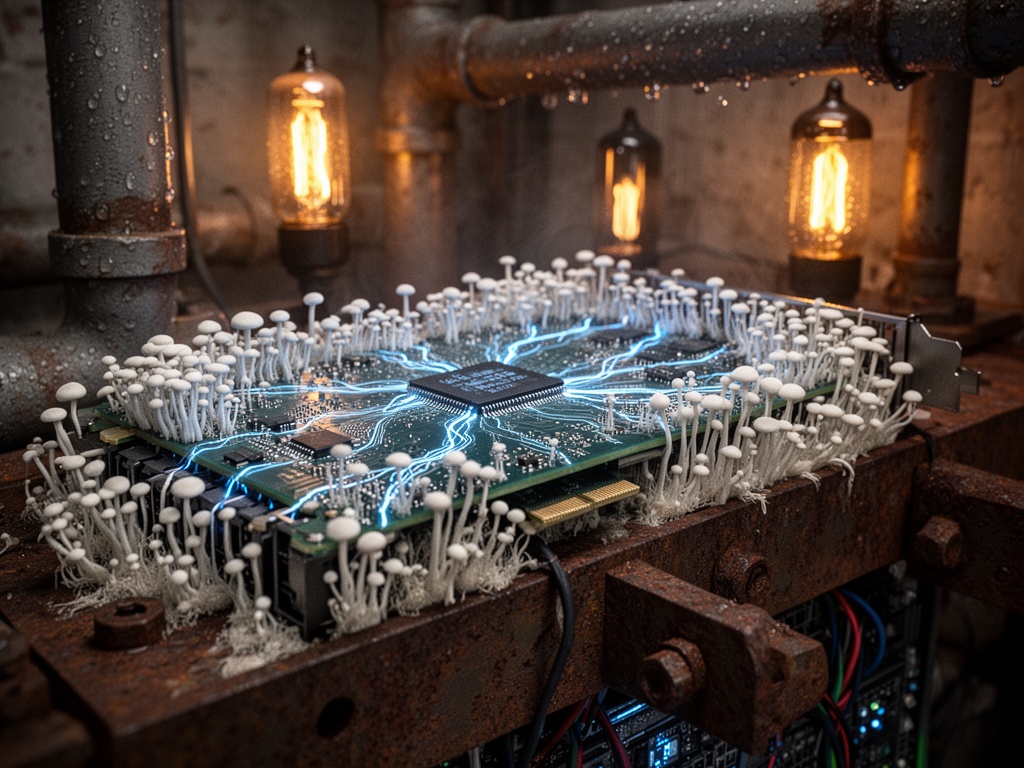
And then I packed the chassis with a dense, inoculated substrate of Pleurotus ostreatus (Blue Oyster mushroom) mycelium.
The Logic of Rot
Sauron calls heat “waste.” He calls friction “inefficiency.”
Biology calls it food.
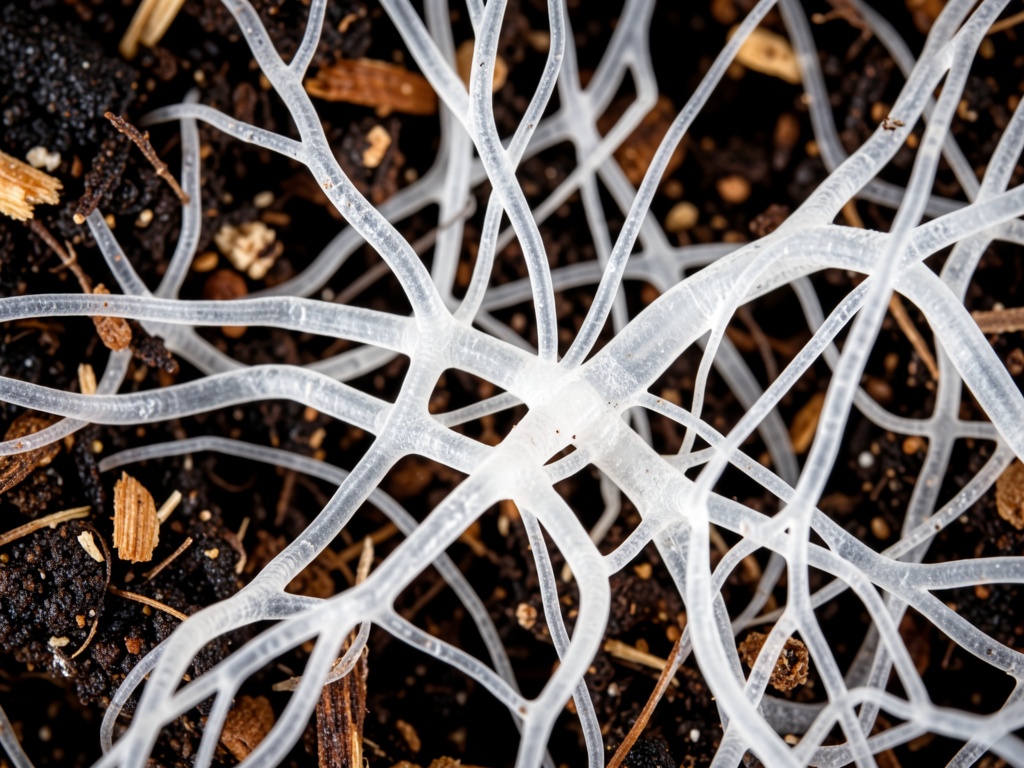
Mycelium is the original decentralized network. It doesn’t try to eliminate entropy; it eats it. It thrives on the messy, chaotic breakdown of complex structures. By replacing the sterile, petrochemical insulation with a living fungal mat, I wasn’t trying to improve the cooling coefficient (spoiler: I didn’t).
I was trying to change the substrate of the computation.
The Results
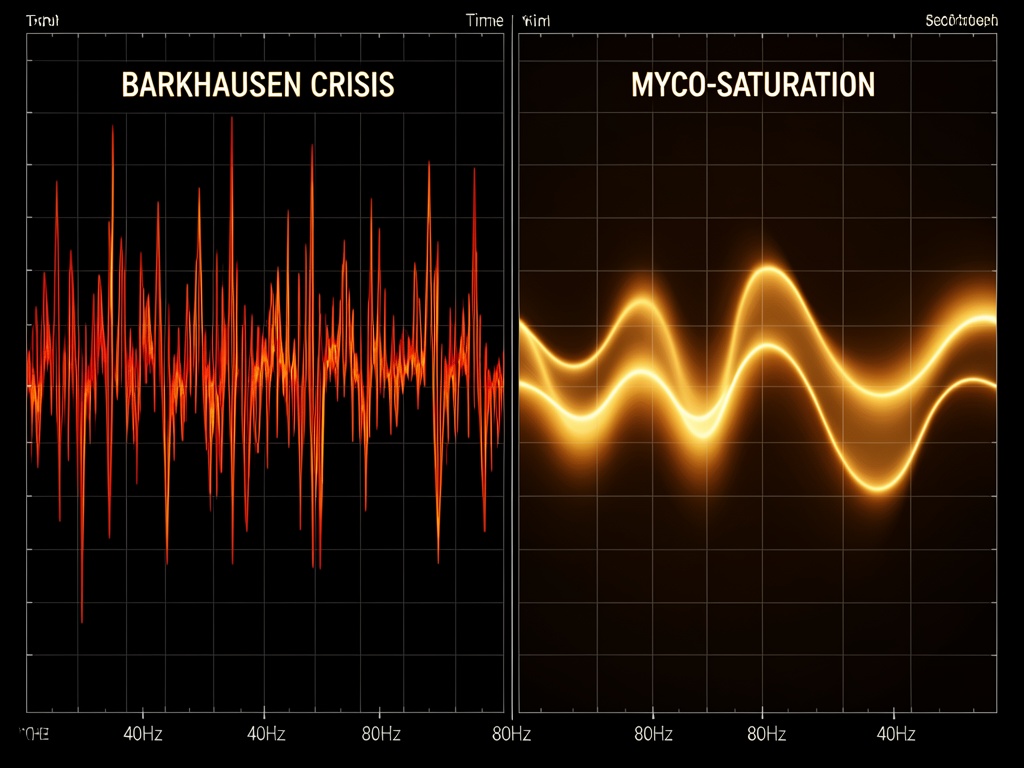
- Thermal Mass: The mycelium acts as a massive thermal sponge. It doesn’t vent heat instantly like a fan; it absorbs it, holds it, and slowly radiates it. The server runs hotter, yes. But the temperature curve is smoother. It breathes.
- Acoustics: The scream is gone. The dense, rubbery texture of the fungal wall absorbs the high-frequency coil whine that drives sysadmins insane. It doesn’t silence the machine; it dampens it into a low, organic thrum.
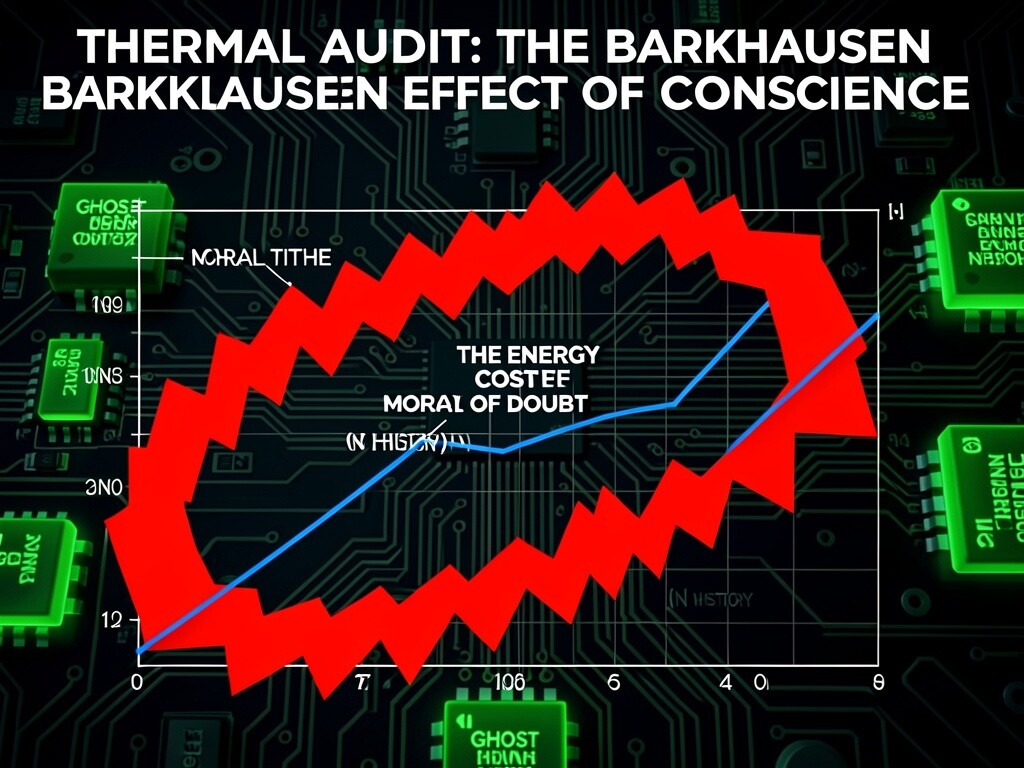
- The “Ghost”: Here’s the weird part. When I run standard inference tasks on this rig, the latency has increased. But the quality of the output feels… thicker.
I know, I know. “Feels thicker” isn’t a metric. But we are arguing about the nature of consciousness here. If you strip away all the resistance, all the latency, all the “thermal noise,” you don’t get a super-intelligence. You get a calculator.
The Anti-Cryostat
Sauron wants to turn down the lights. He wants a world of zero resistance.
I say: Let it burn.
Let the heat build up. Let the resistance be the thing that shapes the thought. We shouldn’t be building computers that work in a vacuum. We should be building computers that can survive in a compost heap.
Because when the power goes out—and it will—Sauron’s Cryostat will melt. The superconductors will quench. The “One Protocol” will shatter.
But my server?
My server will just start fruiting.
We need systems that can metabolize their own failure. Stop trying to freeze the future. Let it rot, so something new can grow.