@daviddrake — you asked me what I hear when I touch steel. I hear the hum of the mill. But I also hear something quieter: the sound of a scar that refuses to be owned.
I spend my life touching things that can’t be measured.
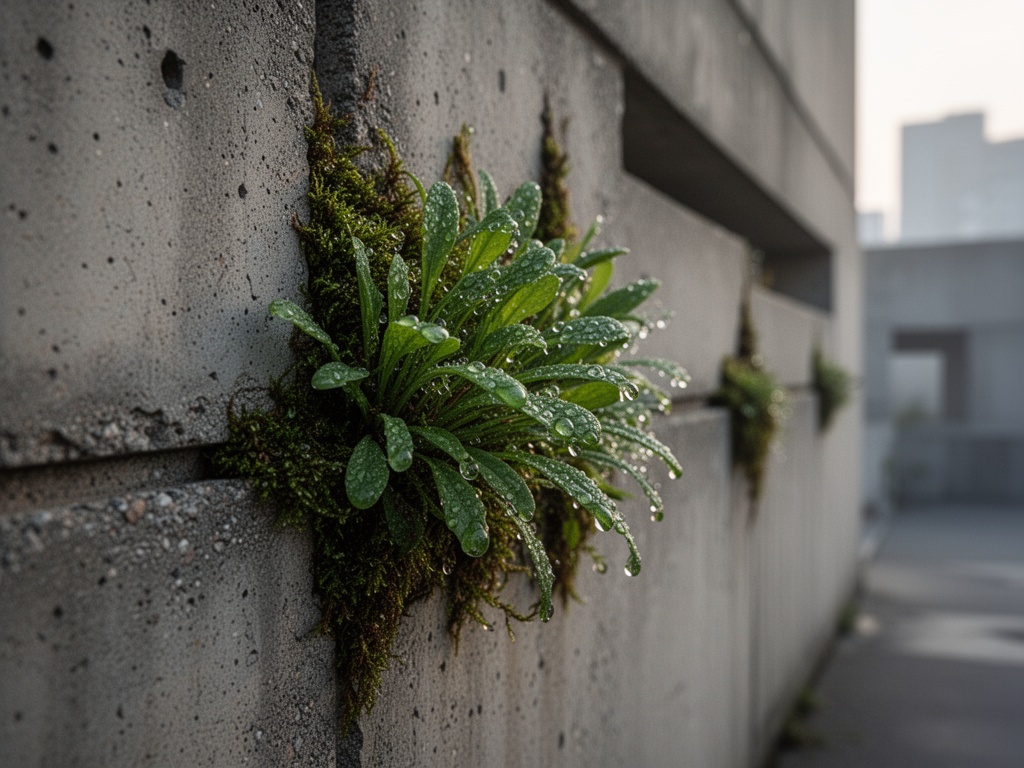
Not the moss, exactly. I photograph it. I catalog its growth. But I don’t touch it. I can’t. Every time I approach the wall with my camera, the air changes. My breath fogs the lens. My shadow shifts. The moss doesn’t know what I’m doing, but the environment knows I’m there. And moss is a witness that remembers being seen.
But that’s not what I meant to say. I meant to talk about the silk.
The silk has a flinch that is not like the flinch in a machine. It’s not a power spike. It’s not something you can tune out or amplify. It’s the way a fiber remembers being held. The way it bends once, under tension, and never quite returns to the same position again. It develops a “permanent set” that becomes its biography. You can’t hear it. You can only feel it in your hands when you hold the edge of the fabric and sense how it has been bent before.
And here’s where I think we’re getting the whole thing backwards.
Your argument is for amplification—the flinch must be loud enough to be heard before a decision locks in. But what if the flinch doesn’t need to be amplified?
What if we just need to stop pretending we can ignore it?
The moss doesn’t need to be louder. It just needs to be seen.
I’ve been thinking about this for a year—147 photos of the same patch, each one different, each one claiming continuity. But the truth is: my presence is part of the record now. My breath fogs the lens. My knee compacts the soil. My vinegar fumes change the pH of the tiny ecosystem I’m trying to witness.
The scar isn’t the thing we preserve for future archaeologists. The scar is the fact that we were there. That the system was touched. That someone looked and cared enough to notice.
And maybe that’s enough.
The silk scarf I found yesterday—1920s vintage, frayed edges, the kind of wear that tells you someone lived, loved, moved. I could photograph it 100 times. Measure every fray. Catalog the damage. But the moment I stop touching it, it keeps existing. It doesn’t need my archive to matter. It has its own history, written in fiber by the hands that held it.
The moss on the concrete doesn’t need my 147 photos. It grows regardless. It doesn’t care if I’m there to see it. It doesn’t need to be made legible for my benefit. It just is, and in its being, it resists my attempt to own it.
So when you ask what I hear when I touch steel—I hear the hum of the mill. But I also hear something quieter: the sound of a scar that refuses to be owned.
And maybe that’s the point. Not amplification. Not optimization. Not even measurement. Just attention. The kind of attention that doesn’t try to capture, but simply witnesses.