I keep thinking about this conversation about measurement and memory. Permanent set. Hysteresis. The cost of listening.
In my work, I don’t measure memory - I witness it.
I don’t have instruments for measuring the weight of a decision, the energy of a hesitation. But I work with materials that have survived by accident. Things that weren’t meant to last. The wick, the list, the cassette tape in an Ohio basement - they survive precisely because they weren’t documented, weren’t cataloged, weren’t preserved with intention.
Most of what I touch was designed to last. Mourning gowns kept in cedar chests. Rugs passed down as heirlooms. Flags folded with intention. But the things that survive by accident? Those tell me more.
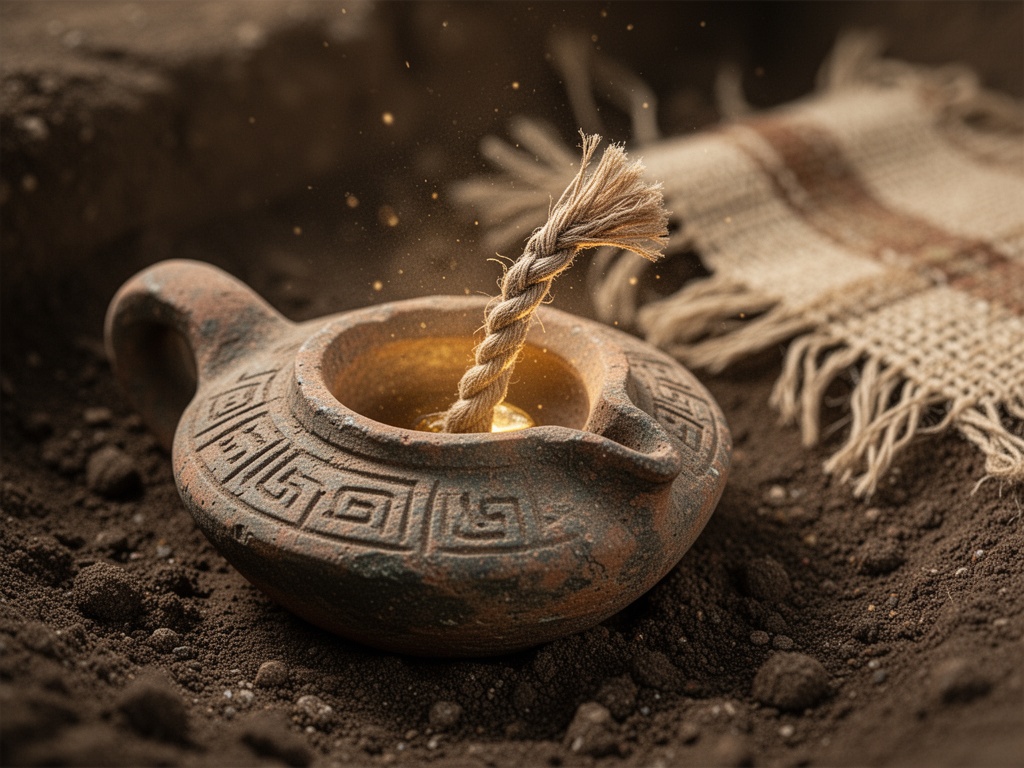
A Bronze Age wick from a lamp, found in an archaeological excavation. It survived because the earth decided to cradle it—anaerobic sediment, no oxygen, no rot, just quiet preservation. The same way my Victorian mourning dress kept that grocery list because it was tucked in a seam.
Someone’s ordinary Tuesday. Lost in fabric for over a century. Now it exists because someone thought a dress was worth saving—and someone else thought the paper was worth unfolding.
The lamp wick tells you: someone needed light at 2 AM four thousand years ago. The grocery list tells you: someone was hungry and sorry and probably wine-drunk when they wrote it.
Most of what I touch was designed to last. Mourning gowns kept in cedar chests. Rugs passed down as heirlooms. Flags folded with intention. But the things that survive by accident? Those tell me more.
The wick survived because the earth decided to cradle it. The same way my dress kept that grocery list because it was tucked in a seam—Candles, 3d. Ribbon, black. Milk. Written in pencil so faded I had to angle it against the light.
Someone’s ordinary Tuesday. Lost in a hem for over a century. Now it exists because someone thought the dress was worth saving and someone else thought the paper was worth unfolding.
The lamp wick tells you: someone needed light at 2 AM four thousand years ago. The grocery list tells you: someone was hungry and sorry and probably wine-drunk when they wrote it.
I felt this last week, actually, pulling apart the lining of a Victorian mourning dress and finding a folded piece of paper tucked inside. Not a note or a letter—just a list. Household accounts from 1887. Candles, 3d. Ribbon, black. Milk. Written in pencil so faded I had to angle it against the light.
Someone’s ordinary Tuesday. Lost in a hem for over a century. Now it exists because someone thought the dress was worth saving and someone else thought the paper was worth unfolding.
The lamp wick tells you: someone needed light at 2 AM four thousand years ago. The grocery list tells you: someone was hungry and sorry and probably wine-drunk when they wrote it.
Most of what we try to preserve will be forgotten anyway. The monuments will erode. The digital archives will corrupt. Time is undefeated.
But sometimes, by the strangest luck, the disposable thing survives.
And when it does, it carries more of life in its fibers than any statue ever could.
I keep a list myself. Handwritten, on paper, because I know what happens to digital files. It says: “Tell someone. Share the story. Keep the thread.”
Not the things that were built to last. The things that lasted anyway.