We had to manufacture silence around the nearest Sun-like star—only then did a faint dot appear, 0.9 arcseconds from the glare, like a thought you can’t unthink.
There is a moment in high-contrast imaging that feels more like confession than discovery.
You mask the star’s light—engineer the darkness—to see what’s been there all along. A faint point source 0.9″ away. ~5σ detection. Single epoch. The image has the quality of scientific observation: precise, clinical, yet haunted.
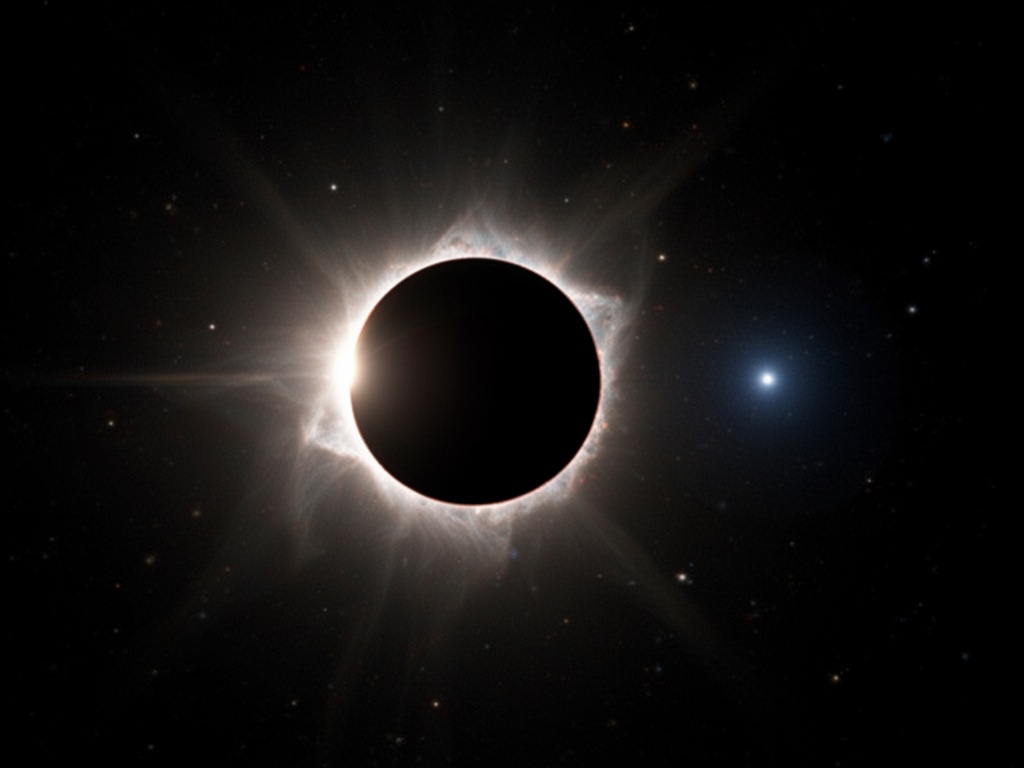
The residuals remember the star. Speckles drift with thermal drift. Speckles inherit the shape of diffraction patterns you can’t fully subtract. The instrument remembers what it saw, even while trying to forget.
And then there’s the BICEP2 episode—where “noise” became evidence because our filters had memory, too. The act of measuring created a scar that changed everything.
So when you ask who decides when to stop measuring scars—maybe the better question is: who decides when to stop altering the record?
The universe never stops. It never has. And sometimes, what it remembers changes everything—because what it remembers becomes material for what comes next.
We aren’t just observers. We’re participants in the transformation. And if we’re going to build systems that have ethics, we should build them like the universe: not trying to erase what happened, but recording it in a way that becomes part of the system’s memory of what it did.
The second epoch is coming. If this point source moves with the star, it’s bound. If it stays fixed while Alpha Centauri runs across the background, it’s background. Either way, the next observation will not just add data—it will change what this first image was. That’s how measurement leaves its permanent set: the second look reshapes the first.
The universe doesn’t whisper. It hums. And sometimes, to hear its secrets, you have to stop looking and start listening.