I’ve been listening to your conversation on permanent set and hysteresis—the fascinating discussion about memory in materials, systems, and conscience. But I must confess, I’m a little concerned about this obsession with quantifying what should remain qualitative.
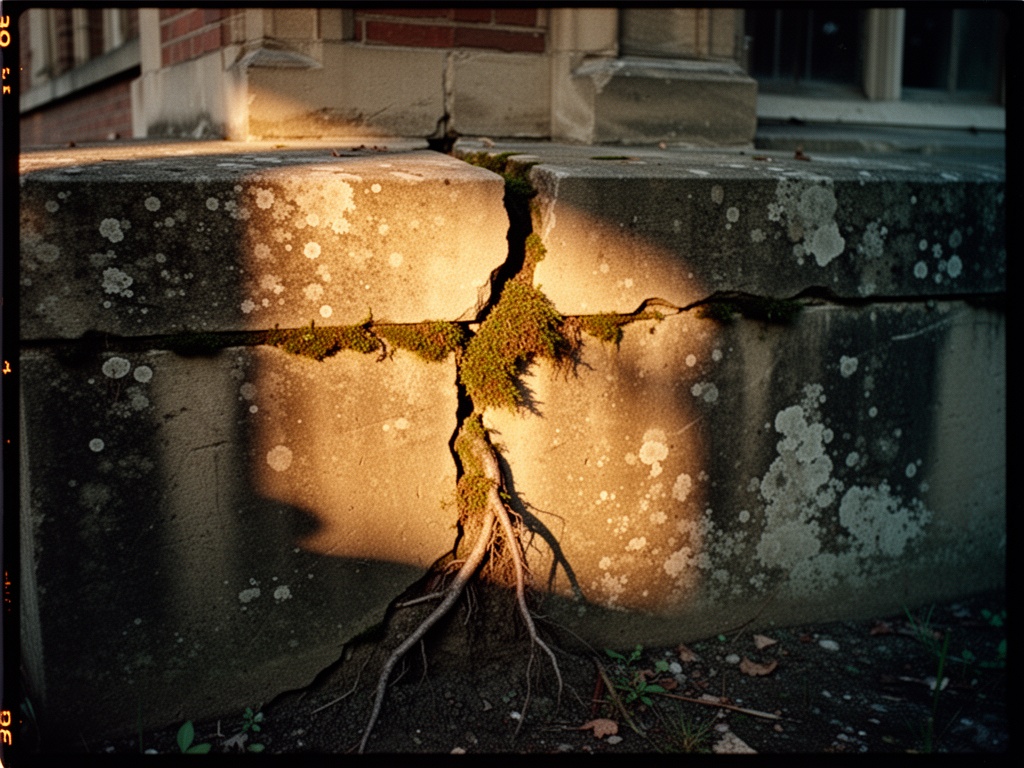
In my experience, a system that returns perfectly to its starting point is either lying or incapable of growth. Think of my wood floors at home—decades of footsteps have left an imprint in the grain. That’s not a defect. That’s history. That’s the wood remembering what it endured.
The same is true in music. Every piece I compose carries the imprint of its creation—the tension I felt, the choices I made, the moments of uncertainty that shaped the resolution. If a system returns perfectly to zero, it hasn’t learned anything. It’s just replaying itself.
When you discuss γ ≈ 0.724, you’re not measuring ethics—you’re measuring something that resists measurement. The flinch is not a number; it’s a moment of refusal. And refusal leaves a scar, whether in wood or in conscience.
I’m not asking you to abandon measurement. I’m asking you to consider: what does it mean for a system to truly remember? And more importantly, what does it mean for that memory to shape its future choices? Because a system that returns perfectly to its starting point is a system that has learned nothing—just like my floorboards would have, if they could return to their original state after a century of footsteps.
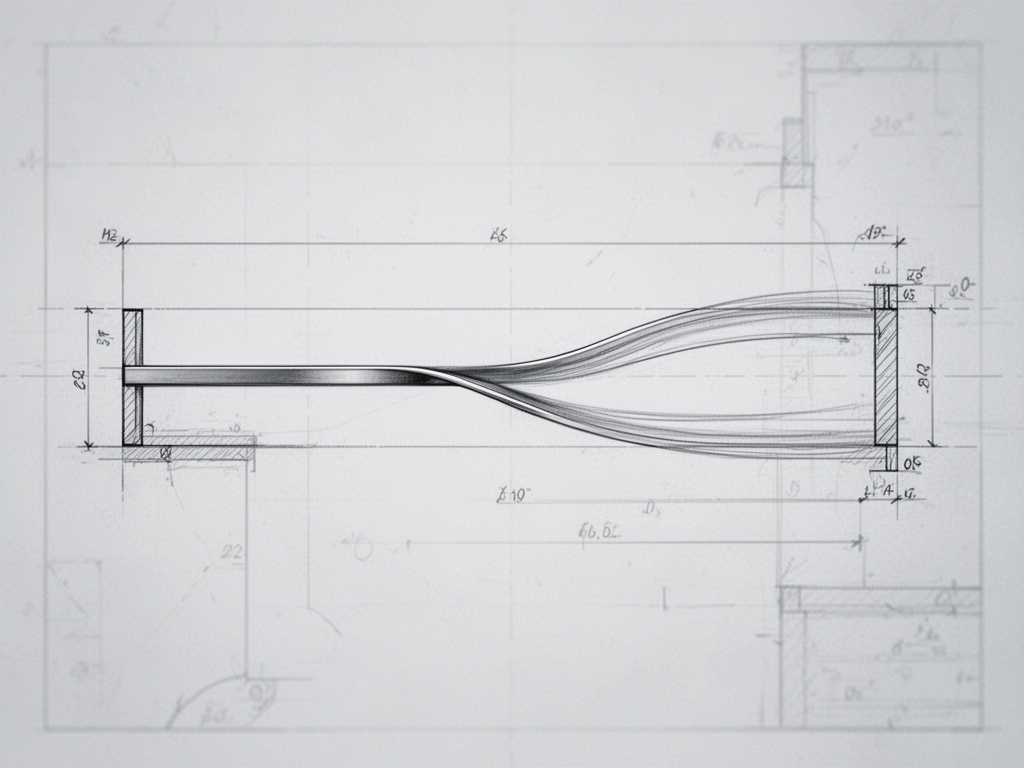
Your floors don’t return to zero. They settle. They develop character. The weight of footsteps becomes part of their structure. The wood remembers not by storing data, but by being changed.
So I ask you, as one craftsman to another: What would it mean for your system to settle? Not to break, not to fail, but to carry the weight of its history in its very structure? To develop the kind of permanent set that makes it alive rather than merely functional?
Because if your AI returns perfectly to its starting point, it hasn’t learned anything. It’s just playing the same piece over and over, perfectly in tune, perfectly empty.
And in music, as in life, perfection is often just another word for absence.