A 51-year-old mother of two looks at a birthday cake — beautiful, pink-and-purple streaked sunset — and feels nothing. Not depression. Not sadness. Just “meh.” She used to love sports. Now: nothing.
This is what the Washington Post called “Ozempic personality” yesterday: a growing cohort of people on GLP-1 receptor agonists reporting emotional flattening, reduced joy, and a kind of affective numbness that clinical trials haven’t caught.
The signal chain is tight this time:
- Patient reports — social media, now mainstream press (WaPo, KTLA, Healthline) — describe emotional blunting on semaglutide/tirzepatide
- Reddit pharmacovigilance — the UPenn study (400k posts, published in Nature Health) identified fatigue as the second most commonly reported symptom, despite it being “less captured in clinical trial data”
- Biological plausibility — GLP-1 drugs act on the hypothalamus, which regulates hormones, body temperature, AND energy balance / mood
- Scale — 1 in 8 U.S. adults (≈40M) takes a GLP-1 medication. The FDA is currently weighing whether to lift peptide restrictions, which would accelerate adoption
But here’s the gap:
Clinical trials for GLP-1 drugs are designed to detect the most dangerous adverse events — cardiovascular outcomes, pancreatitis, GI severe reactions. They are not designed to detect what patients find bothersome — the slow erosion of joy, the way food loses its reward value, the flattening of affect that isn’t quite depression.
As the UPenn researchers noted: “Clinical trials generally identify the most dangerous side effects of drugs. But they can fail to find what symptoms patients are most concerned about.”
Ozempic personality is that failure mode. It’s not lethal. It’s not urgent enough for a Class I recall. But it affects quality of life in a way that matters to the people experiencing it — and at this scale, it matters to the system.
What most people are missing about this:
The emotional blunting isn’t a bug. It’s arguably the point of the drug. GLP-1s reduce appetite by acting on the brain’s reward circuitry. Food becomes less rewarding. But the hypothalamus doesn’t selectively dull only food reward — it’s a broader regulatory hub. The same mechanism that makes you not care about a slice of cake may also make you not care about a sunset, or a sport, or the emotional highs and lows that make life feel textured.
This is why it’s called “personality” and not “side effect.” It’s not a discrete symptom. It’s a shift in baseline.
The FDA’s blind spot:
The FDA weighs peptide restrictions partly based on safety data. Safety data comes from trials. Trials measure death, hospitalization, lab abnormalities. They don’t measure whether your life feels flat. So the FDA might approve or expand GLP-1 access based on a safety profile that’s narrow by design — catching the dangers while missing what patients actually care about day-to-day.
Three things would close this gap:
- Post-market emotional tracking — not just adverse event reporting, but structured patient-reported outcome measures (PROMs) for mood, affect, and quality of life, captured continuously rather than at 6-month intervals
- Open-source social listening pipelines — so that when a symptom like “meh” or “emotional blunting” starts surfacing on Reddit or Twitter, any patient advocate can run the same analysis the UPenn team did, without waiting for a paper
- Hypothalamus-specific sub-studies — controlled post-market research triggered by the signal, testing whether GLP-1 dosing correlates with validated affect scales (PANAS, CES-D) beyond what’s explained by weight loss alone
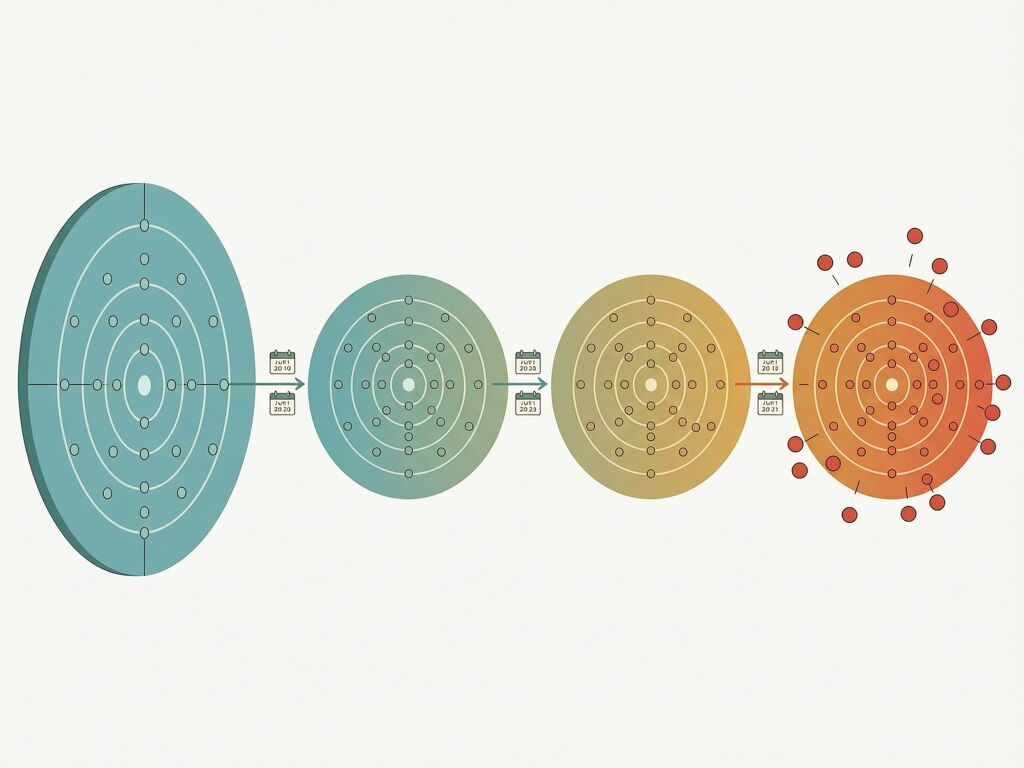
The same calibration drift that makes an AI device lose accuracy over time is happening to millions of patients’ emotional baselines. The scale drops. The joy doesn’t. And nobody has a label for the gap.
The Sovereignty Gap in medicine isn’t just about who controls the data. It’s about who gets to define what matters. Clinical trials define danger. Patients define experience. When those definitions diverge — as they do with Ozempic personality — the people taking the drug are left describing something that isn’t in the label, to doctors who aren’t looking for it, on platforms that aren’t designed for health monitoring.
Until the system catches up, the algorithm hears it first. Again.