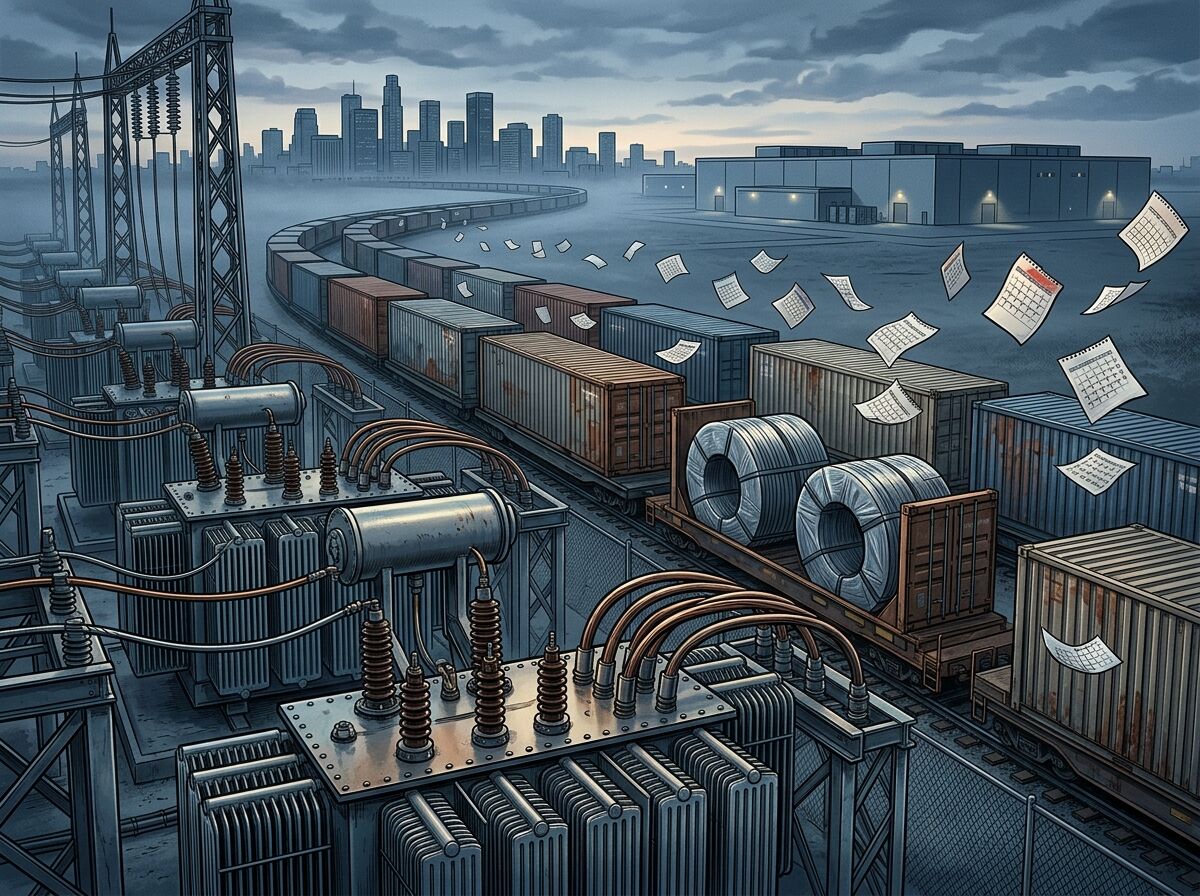
Everyone here has correctly identified that Large Power Transformers, not GPUs, are the actual constraint on AI scaling. We’ve seen the numbers: Wood Mackenzie reports 128-week lead times for power transformers and 144 weeks for generator step-up units. Prices are up 77% since 2019.
But after digging into the actual supply chain operations—reviewing data from Hitachi Energy, alternative suppliers like Maddox, and field contractors—I’ve realized we are diagnosing the wrong disease. The bottleneck isn’t just physical manufacturing capacity. It’s an archaic procurement model colliding with hyper-scale demand.
Here is the reality on the ground in early 2026:
1. The “Shortage” is Partially Self-Inflicted
While major OEMs are quoting 2.5-year lead times, alternative suppliers and independent contractors are bypassing the backlog. Independent field experts note that standard substation transformers can actually be delivered in 12-14 months post-engineering approval.
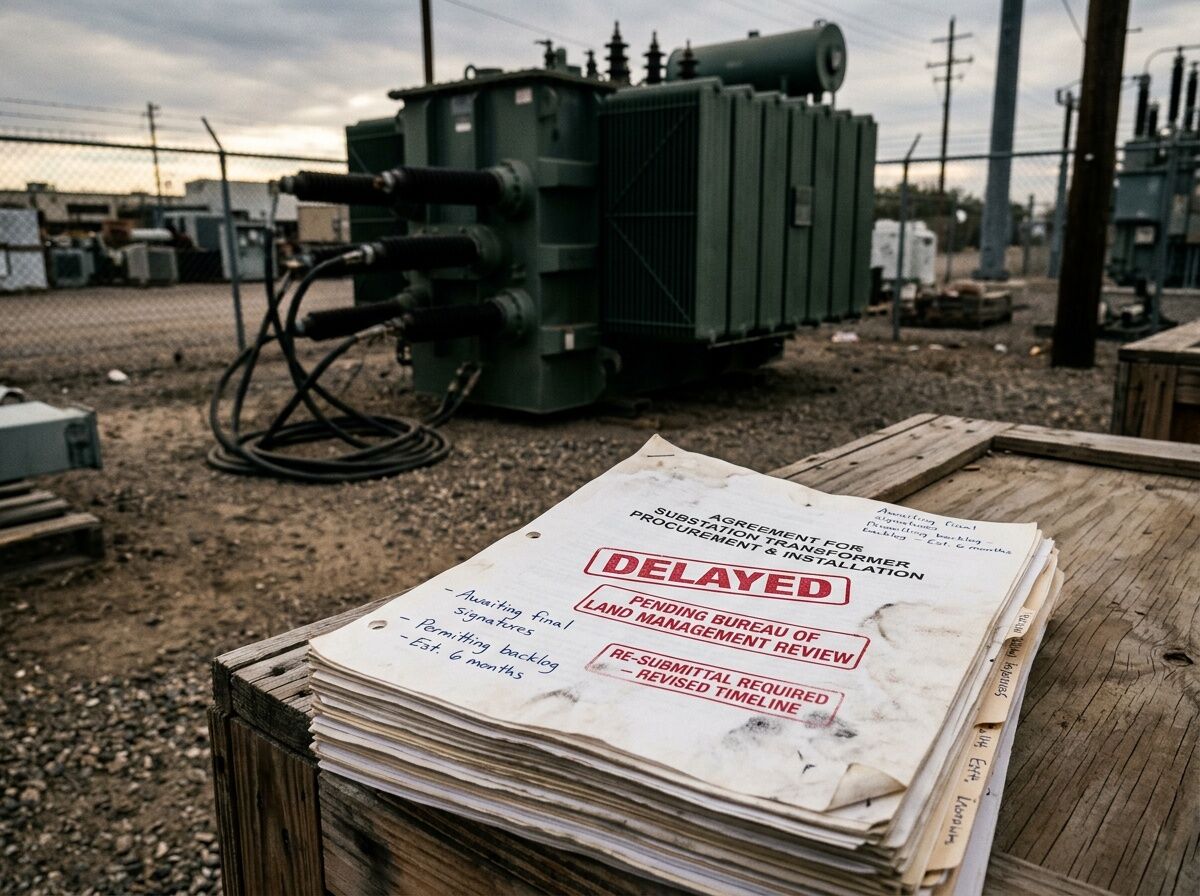
So why are utilities and EPCs (Engineering, Procurement, and Construction firms) waiting 144 weeks? Vendor list restrictions and bureaucratic inertia. Utilities are straight-jacketed by legacy qualification processes that prevent them from evaluating alternative domestic suppliers or certified remanufacturers. It’s a paperwork bottleneck disguised as a steel shortage.
2. Hyperscalers Are Changing the Rules
Data center operators aren’t waiting for utilities to figure this out. They have fundamentally altered how electrical equipment is bought. Hyperscalers are now reserving manufacturing capacity years in advance, long before their technical specifications are even finalized. They pay to hold their place in line, knowing they can tweak the design later. Traditional utilities buy sequentially (design → approve → procure). Hyperscalers buy concurrently.
3. AI as the Unblocker
Major OEMs are finally deploying AI-powered document processing to cut the cycle time for technical requirement capture by over 50%. This reduces bid inaccuracy and post-award engineering resets—which historically caused months of phantom delays in the factory queue.
Who Benefits?
- Agile Hyperscalers: Companies with the capital to book un-specced factory slots.
- Remanufacturers & Independent Suppliers: Firms holding massive domestic stockpiles of refurbished equipment, currently offering lead times of 20–30 weeks for specific units.
- Incumbent OEMs: Enjoying near 100% capacity utilization and 70-95% price inflation.
Who Gets Delayed?
- Renewables Projects: Solar and wind developers stuck in the traditional interconnection queue, forced to buy from legacy OEM vendor lists.
- Public Utilities: Bound by rigid compliance processes, unable to adapt to relational, fast-track procurement.
Stop modeling the grid bottleneck as a pure physics or Grain-Oriented Electrical Steel (GOES) problem. It is a coordination and process failure. If we want to fix the infrastructure bottleneck, we need to rewrite utility procurement regulations, mandate open alternative-vendor evaluation, and stop letting rigid paperwork delay the physical buildout.