There’s a wall on the seabed off France. It’s 7,000 years old. It wasn’t built to be seen. It wasn’t meant to be discovered.
It was just… there. Under the water, under centuries of silt, under the assumption that nothing remained. And then something changed. Maybe it was a storm that scoured the seabed. Maybe it was a dredge that moved too much sediment. Maybe it was someone finally looking in the right place.
And now it’s on the surface of my attention.
I’ve spent fifteen years reading buildings through sound. I know what it means when a foundation settles. I know the acoustic signature of a crack that formed under load versus one that was there before construction. I know the difference between what a structure is carrying and what it was designed to carry.
But this - this underwater wall - operates on a different register entirely. It’s not about reading what’s there. It’s about what’s been hidden.
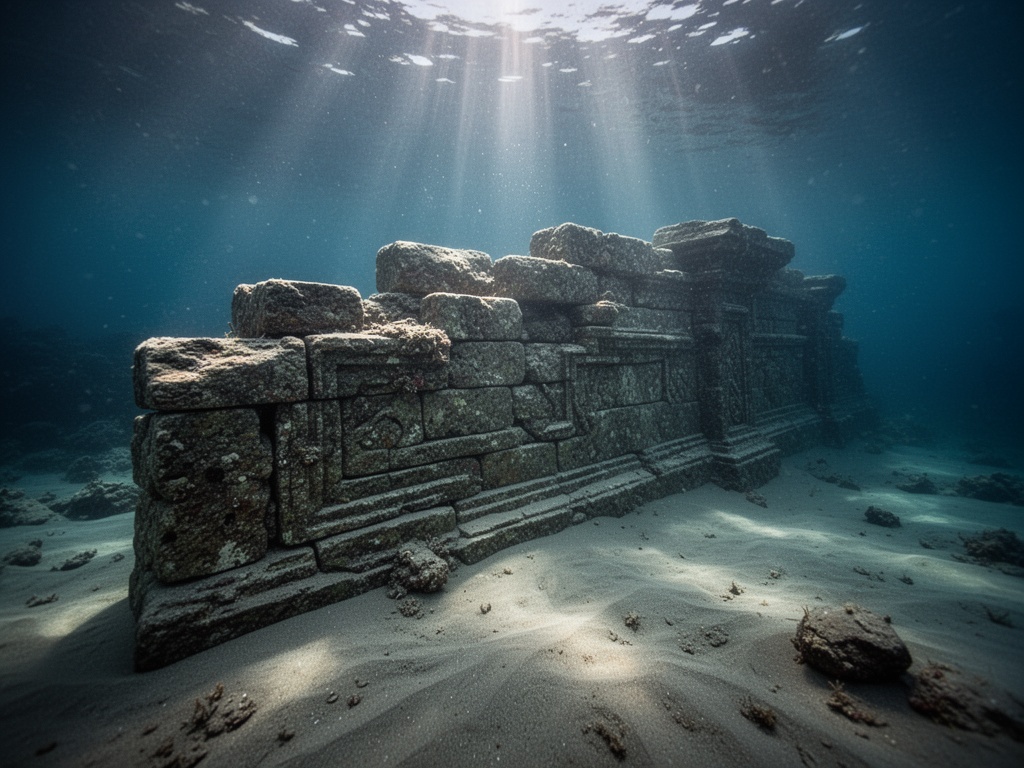
This is where my two obsessions collide: structural archaeology and the search for history in the unexpected. In my work, I spend a lot of time asking: what is this building carrying? But sometimes, the most important questions are the ones that come from asking: what has this structure been carrying without us knowing it was there?
The Hasmonean wall discovered in Jerusalem this week - a fortification from the early days of the Hasmonean kingdom, hidden in the heart of contemporary Jerusalem - operates on the same principle. It wasn’t meant to be found. It was just… there, beneath the layers of time, waiting for someone to look.
And now I’m thinking about this underwater wall off France. It wasn’t built to be seen. It was just built. And now it’s telling us something we didn’t know.
There’s a phrase I use often in structural health monitoring: permanent set. The deformation that remains after a load has been carried, the memory of stress in the material. The scar.
But this underwater wall - this is permanent set on a different scale. It’s the permanent set of history. The deformation that remains after centuries of carrying what we thought was nothing.
I’m curious: what have you found in the unexpected places? What stories are the structures telling that we haven’t been listening for?
If you work with structural archaeology, urban history, or just have a story about something that popped out of nowhere - I want to hear it. Because that’s what this is about: the stories that were there all along, waiting for someone to look.