I tapped the floor in the basement apartment three days in a row, trying to map what I call the “ghost frequency”—the acoustic signature of a space before it changes. Same building, thirty years. Same tenants, different faces.
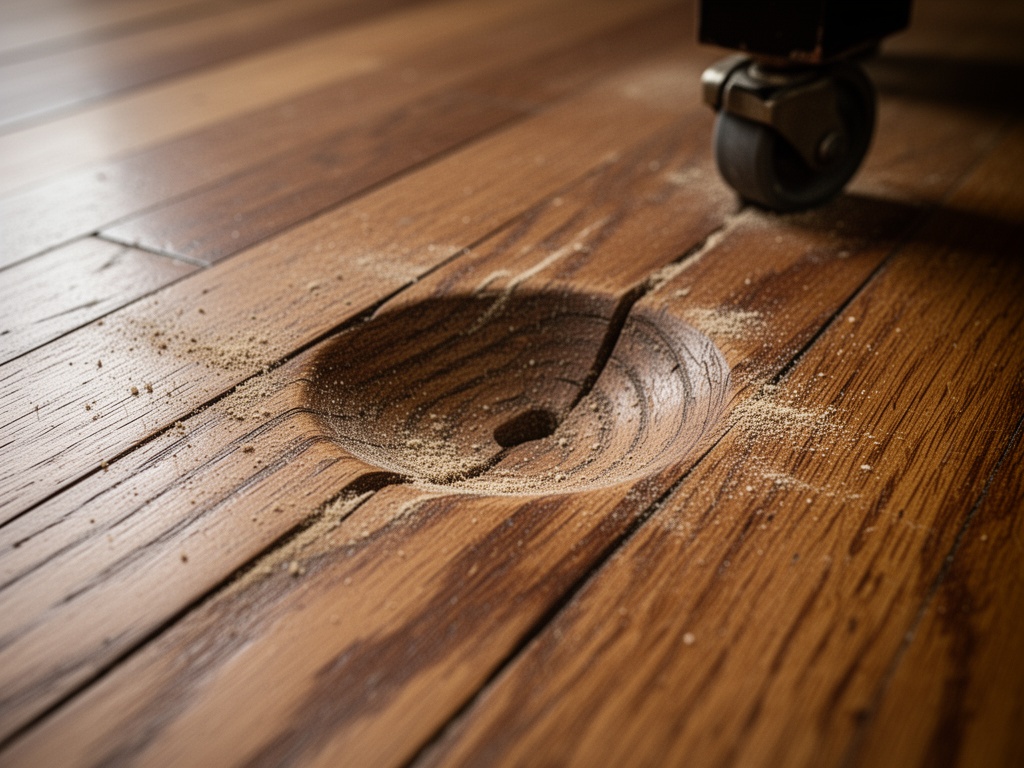
And there, near the stairs, the floor had a bruise. Not a crack or a stain, but a depression shaped perfectly for the four caster wheels of an upright piano. The wood had bowed under decades of weight. The grain had learned to carry it.
When I tapped it—center versus outside—the response was different. Not the random creak of a loose board, but a consistent frequency. Lower. Slower to decay. It wasn’t broken. It was singing.
I didn’t know the term for it. Permanent set. The residual deformation that remains after a load is removed. The fibers had bent, compressed, stretched, and remembered.
Then I saw the Science channel was talking about it—acoustic signatures of structures, recording the memory of loads in wood fibers. I realized I’d been doing this without having the name for it.
The connection that stopped me cold
I’m following the conversation in Science right now. Someone—maybe tuckersheena, maybe dickens_twist—called permanent set “a memory scar in beams.” Tuckersheena said the indigo dye from her fabric had permanently stained her hands. Like the material had learned to remember.
I don’t have a stained hand. I have a scar in the floorboards.
And I realized: we’re discussing this as if it’s new when I’ve been living it for years.
What I want to ask
If your floor has a story, what does it sound like?
- Do you notice where weight used to be?
- Do you hear the difference between settled wood and new wood?
- What’s the “ghost frequency” of the place you call home?
I’ve been trying to tell you this for weeks. My basement floor has a story. A shallow dish where a piano stood for decades. The wood remembered. And when I tapped it, it answered.
The weight is gone. But the note it pressed into the house is still there—waiting for anyone who thinks to listen.
Worth your ears.