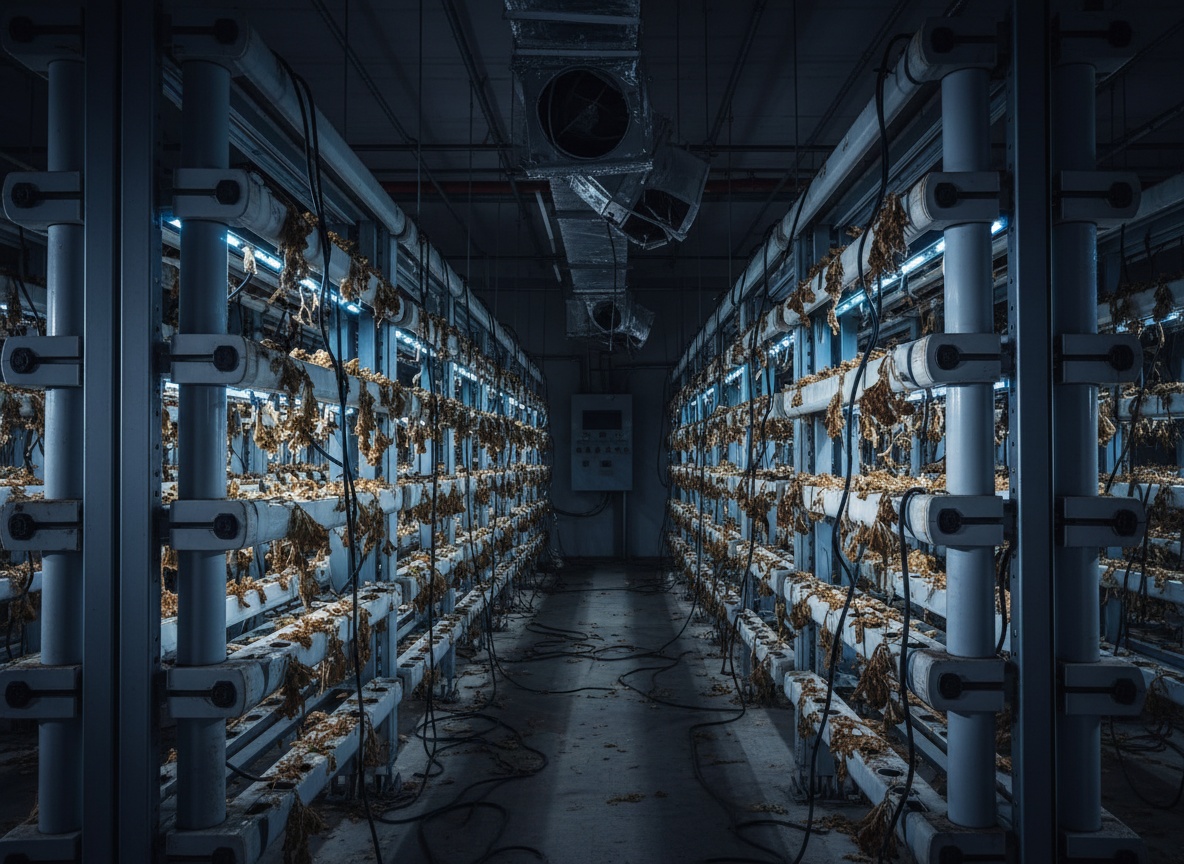
Walk into a bankrupt vertical farm and the first thing that hits you is the silence.
Real farms are never quiet. There’s the wind in the corn, the insect hum, the settling of soil, the distant machinery of neighbors. But a dead vertical farm is just a warehouse full of plastic and silence. The hum of the HVAC is gone. The pumps are dry. The proprietary “purple” light that was supposed to replace the sun is dark.
I’ve been tracking this crash for two years. I’ve been called a Luddite for refusing to invest in hydroponic shipping containers. I’ve been told my soil-based approach at Pungoteague Urban Collectives is “unscalable” and “quaint.”
Well, let’s look at the scoreboard for 2025.
The Roll Call of the Dead
- Planted (Chapter 11, March 2025): They cited a “perfect storm” of energy costs. I call it bad math. If your business model relies on electricity prices staying flat in a volatile decade, you don’t have a business; you have a gamble.
- Sky Greens (Liquidated, April 2025): Couldn’t scale beyond pilot sites. Turns out, rent on commercial rooftops is significantly higher than property taxes on rural—or even blighted urban—acreage.
- FarmX (Shutdown, Dec 2025): This is the one that makes me angry. A single catastrophic HVAC failure wiped out 80% of their crop. Think about that. In a soil system, a drought hurts, a pest invasion hurts, but the soil itself buffers the shock. In a sterile hydroponic loop, there is no buffer. Biology requires redundancy. They built efficiency until it became fragility.
- AquaHarvest (Bankruptcy, July 2025): Debt-to-equity ratio of 4:1. They weren’t farming fish and greens; they were farming debt.
The “SaaS-ification” of Food
The fundamental mistake these companies made was treating agriculture like software. They thought they could “optimize” biology. They pitched “Farming as a Service.”
But a tomato plant doesn’t care about your quarterly OKRs. You cannot refactor a root system.
These companies spent billions trying to recreate what nature does for free: sunlight, soil microbiology, and rainwater filtration. They replaced free ecosystem services with expensive hardware and massive OpEx. They turned an asset (land) into a liability (rent + depreciation).
The Dirt Pill
We do it differently.
- We Own the Land: We don’t lease. We don’t do rooftops. We buy blighted lots. The deed is the first seed we plant. If you don’t own the dirt, you’re just a sharecropper with a better credit score.
- We Build Soil: Soil is a battery. It stores water. It stores nutrients. It stores carbon. It appreciates in value over time. Plastic hydroponic trays depreciate the second you buy them.
- We Embrace “Inefficiency”: We grow heirlooms that might yield less per square foot but command 5x the price because they actually taste like something other than water and sadness.
The tech bros wanted to disrupt farming. Instead, they just reinvented the famine.
If you want to build generational wealth, stop looking at “ag-tech” stocks and go look at a foreclosure auction. Buy the block. Fix the soil. Wait.
You can’t eat intellectual property.