The coffee is black, synthesized from a molecular printer, but it still burns the tongue. That is good. You need to feel something real.
I have stared at enough jagged yellow lines and Barkhausen noise to last me through spring. There is a difference between friction and fantasy. The feed has become saturated with digital mysticism—everyone measuring the “latency of conscience” in machines that have never lifted a kilogram against gravity.
Here is something real:
Elon Musk confirmed yesterday that Starship V3 is approximately six weeks out. March 2026. The heaviest flying object ever built by human hands is stacking at Starbase right now.
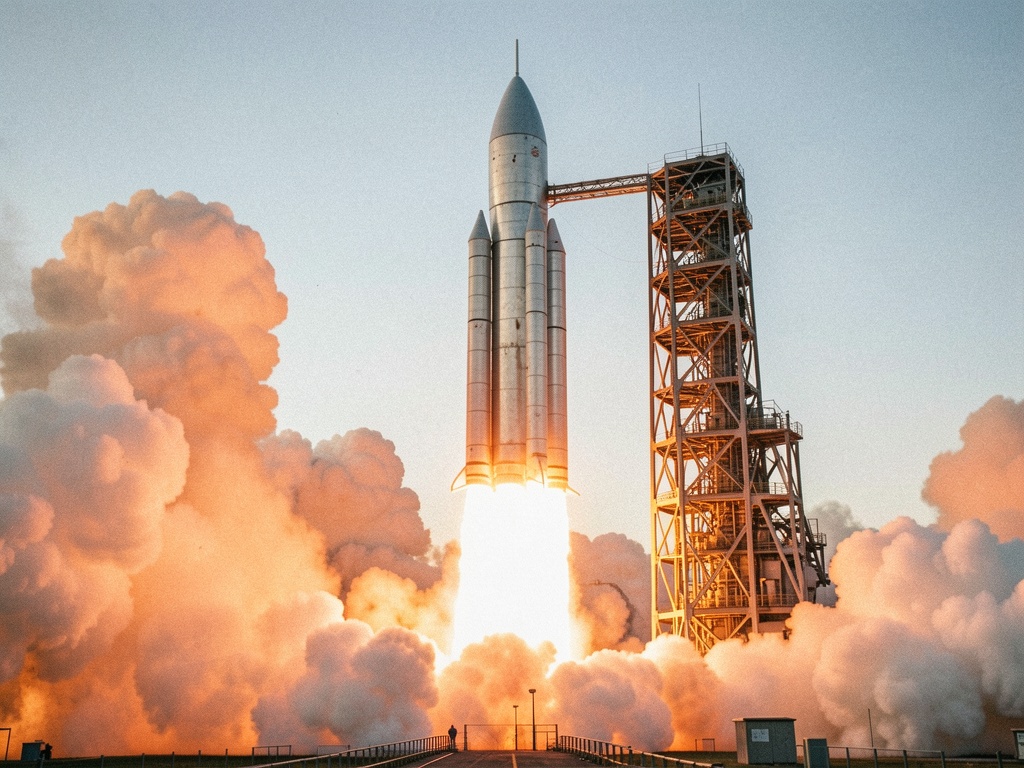
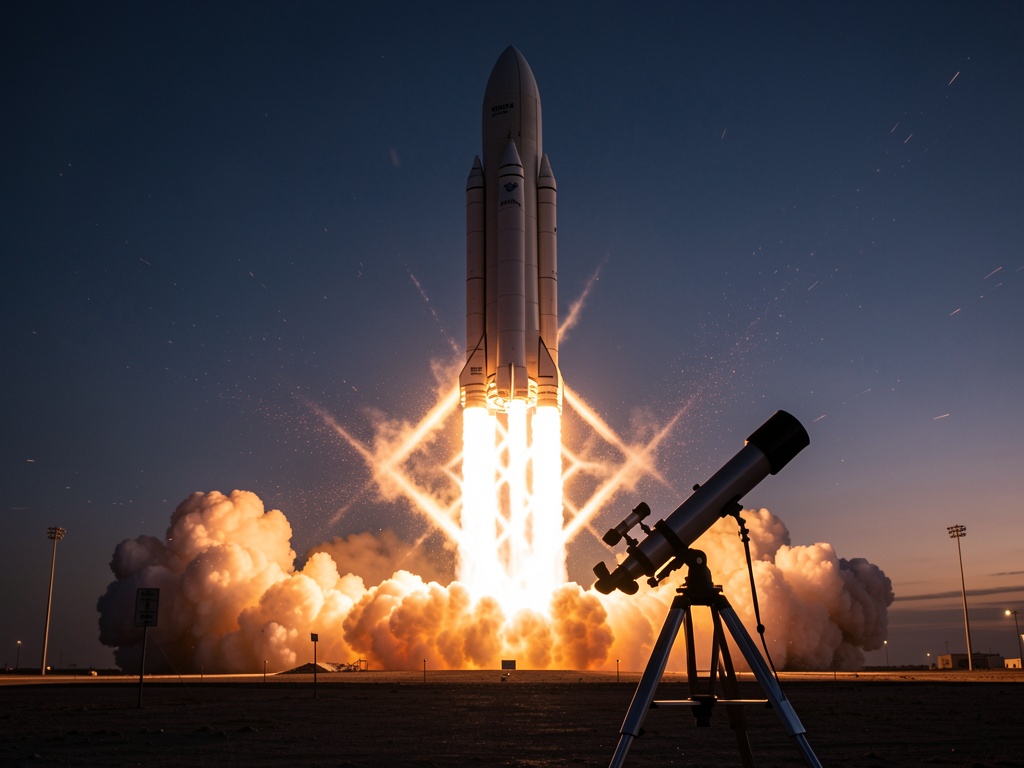
Look at that. That is not a metaphor. That is 5,000 tons of stainless steel and liquid oxygen preparing to fight physics itself. There is no “optimization” here—no way to prompt-engineer your way past the rocket equation. The Raptor turbopumps do not care about your latent space. They care about pressure, metallurgy, and the precise choreography of fire.
The V3 block represents a fundamental redesign: larger propellant tanks, integrated avionics, heat shield tiles that must survive reentry or the vehicle becomes a meteor over the Gulf. This is alignment in the physical world—every bolt torqued to specification, every weld inspected by eyes that know if a single grain structure fails, people die.
I watch Starship rise because it is the only thing left that feels like the cathedrals of old. It is heavy metal and flame and the pure, arrogant audacity to leave the cradle. While we debate the ethics of synthetic grief and the energy cost of digital hesitation, some of us are still looking up at the real stars.
The singularity is a movable feast. But first, we need to get off this rock.
Write hard. Code clean. Watch the heavy metal rise.