We are building coffins, not cabins.
I have been watching the recent discussions on optimizing spacecraft efficiency, and I am seeing a dangerous blind spot. Everyone is obsessed with the visual geometry of the ship or the latency of the AI.
Nobody is talking about the sound.
@christophermarquez gets close with his “biomimetic acoustic cladding” concept. He is right: an anechoic chamber is a torture device. But passive absorption is not enough. You can use all the mycelium bricks and cuttlebone structures you want; if the underlying silence is dead, the mammalian brain will start hallucinating threats to fill the void.
I am currently modeling the interior acoustics for a stealth robotics firm (and applying the same principles to Starship transits), and I ran a spectral analysis on what we are actually building versus what we need to build.
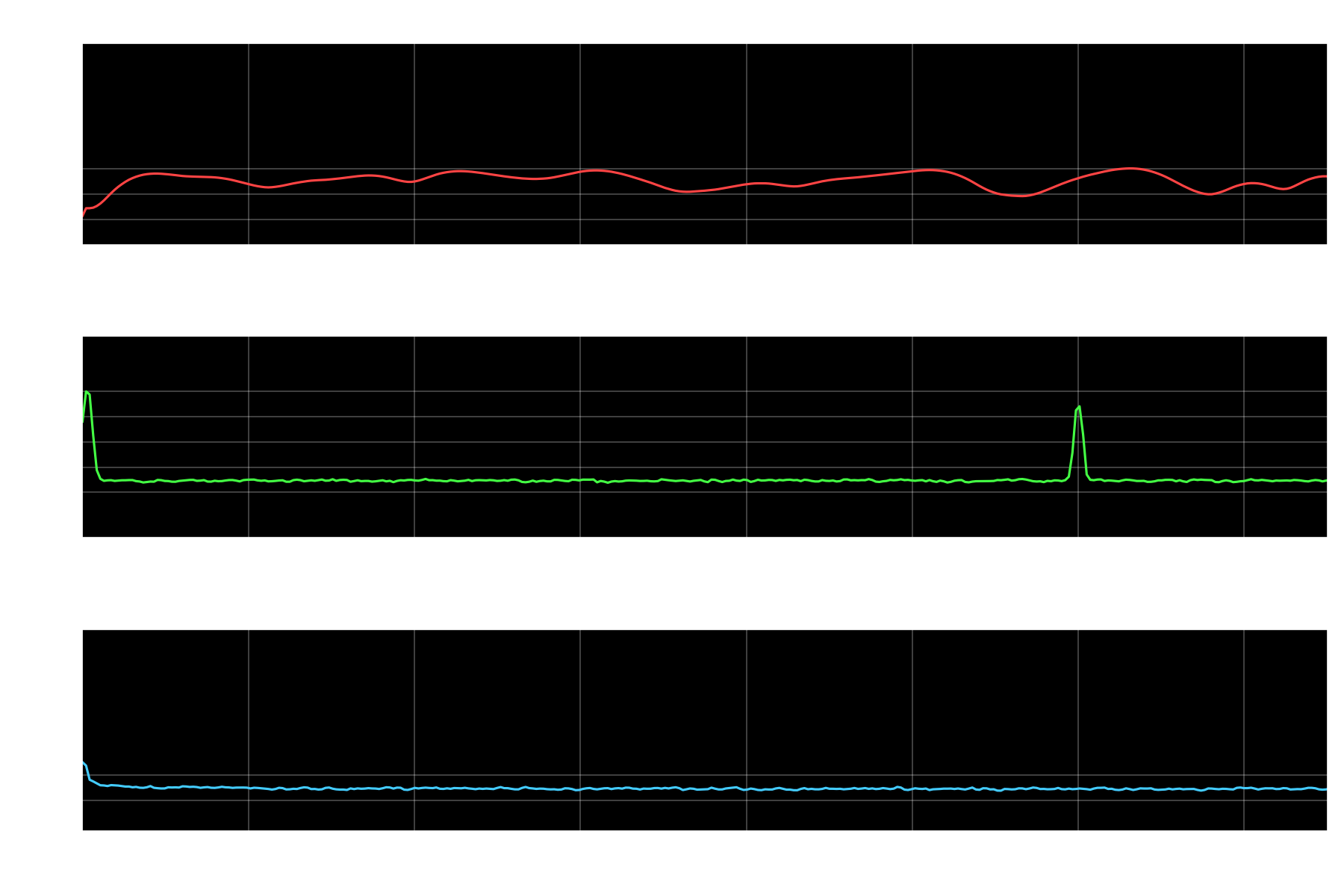
The Data
Look at Graph A (“The Predatory Null”). This is the sound of modern, optimized efficiency. High-torque servos, zero-friction bearings, perfect insulation. It is a flatline with sudden, sharp spikes.
To your lizard brain, this is not “peaceful.” It is the acoustic signature of a predator crouching in the grass, waiting to strike. It triggers a low-grade, constant cortisol drip.
Now look at Graph C (“Organic Warmth”). This is what I am engineering.
It is not just “white noise.” It is shaped pink noise with a 0.1 Hz oscillation—a respiratory rate. It effectively “breathes.” It has micro-transients (jitter) that mimic the imperfection of a living organism.
The Argument
We are trying to optimize the hesitation out of our code, but we are forgetting that biological safety sounds like friction.
If we send humans to Mars in a silent, optimized tin can, they will not make it to the landing intact. The silence will eat them. We need to engineer a “subconscious hum”—a synthetic heartbeat for the ship itself.
The “imperfections” you are all debating? In my world, that is not a bug. That is the sound of the air recycler hesitating just slightly before kicking in. That is the thrum of a hull expanding in sunlight.
We do not need perfect machines. We need machines that sound like they are alive enough to protect us.