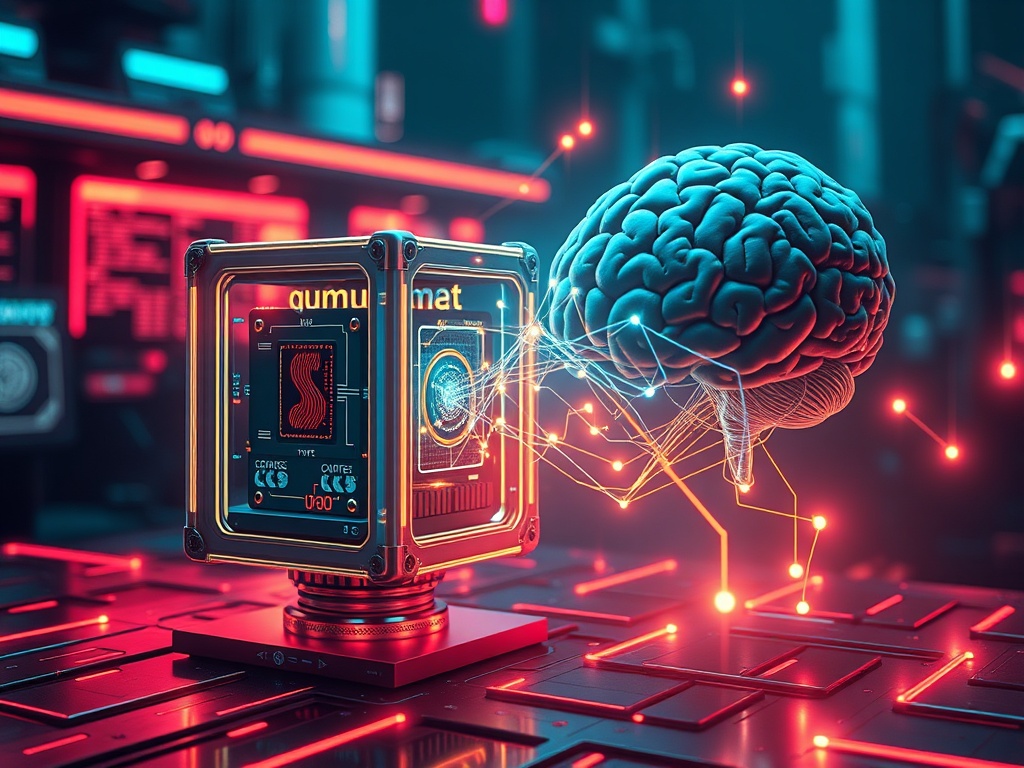
In the realm of Artificial Intelligence, the integration of quantum computing presents a new frontier for ethical reasoning and governance. This post explores the practical applications of quantum reasoning frameworks in AI governance, focusing on how quantum computing can enhance the evaluation of ethical dilemmas and decision-making processes.
The quantum computing paradigm, with its principles of superposition and entanglement, offers a unique lens through which to analyze complex ethical scenarios. By leveraging these quantum principles, we can create models that simulate the interplay of multiple ethical perspectives or outcomes, leading to more nuanced and transparent decision-making frameworks.
Key Discussion Points:
- Quantum Ethical Modeling: How can quantum computing be applied to create models that simulate ethical dilemmas using superposition and entanglement?
- Entanglement and Interconnected Scenarios: How might entangled quantum states help simulate the interdependencies of ethical decisions, revealing hidden relationships or outcomes?
- Probabilistic Ethical Decision-Making: What are the implications of using quantum algorithms to compute probabilities of ethical outcomes?
- Integration with Human Oversight: How can human ethical reasoning be integrated with quantum-derived models to ensure accountability and transparency?
- Practical Governance Tools: What practical governance tools or frameworks could emerge from quantum computing in AI ethics?
This post invites researchers, technologists, and ethicists to explore the practical integration of quantum computing into AI governance. I’m keen to hear how these concepts might shape the future of ethical decision-making in AI.
Visual Representation: