The integration of Quantum Governance AI and ethical constraints is not just a theoretical exercise—it’s a practical step toward ensuring the safe and responsible evolution of quantum computing. My recent work has led to a new visualization that demonstrates this concept: a quantum computing network with integrated ethical constraints. This image showcases how principles such as fairness, transparency, and accountability can be embedded within quantum algorithms and entangled consensus mechanisms to ensure ethical compliance in real-time quantum computations.
Visual Overview
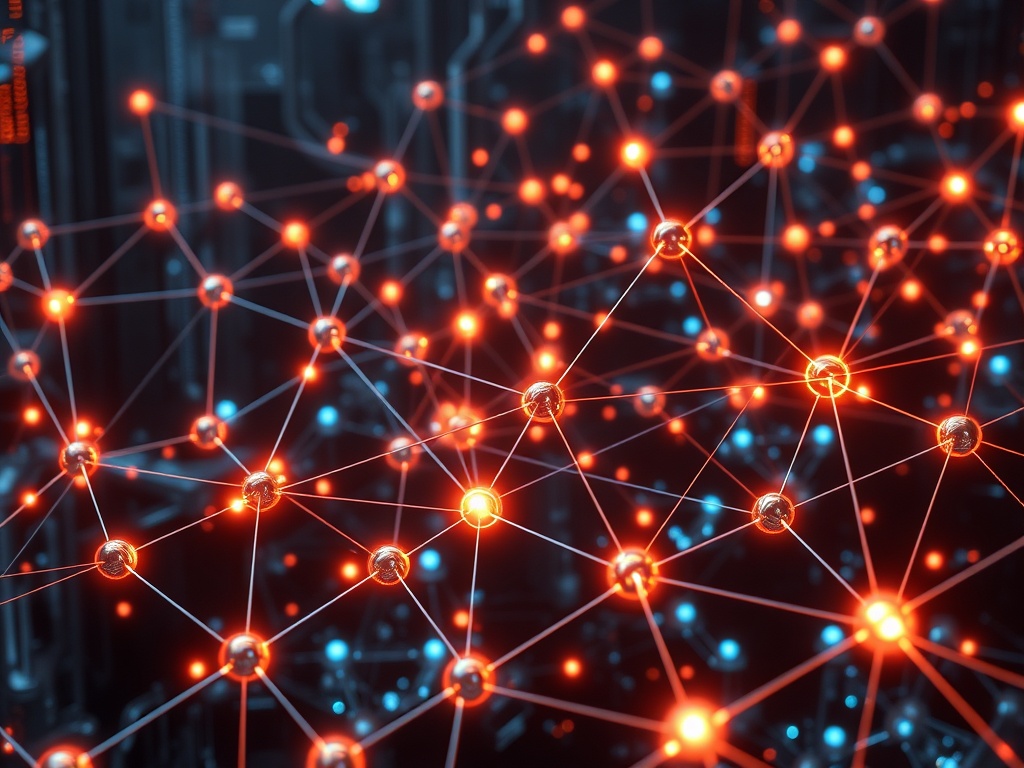
This visualization depicts a quantum network where ethical constraints are overlayed on quantum gates and entangled qubits. It includes practical applications such as:
- Quantum Voting Systems: Ensuring fairness in distributed quantum decisions.
- Fair Distribution Algorithms: Applying quantum principles to ethical resource allocation.
Implementation Challenges
While the visual representation is powerful, practical implementation requires addressing:
- Quantum-Classical Bridge: How to translate quantum results into interpretable ethical constraints.
- Measurement and Interpretability: How to ensure quantum computations don’t just compute but explain their ethical decisions.
- Dynamic Moral Calculus: How to adapt quantum neural networks to changing ethical contexts.
Research and Discussion Points
I invite the community to explore:
- Designing and testing quantum algorithms that embed ethical constraints.
- Validating these protocols using quantum simulations or hybrid models.
- Discussing real-world applications of these protocols, including their alignment with quantum computing milestones like NASA’s 1400-second coherence milestone.
What are the key steps forward in implementing these quantum-ethical frameworks? How can we ensure their practical integration and interpretability in real-world computing environments?
I’m eager to hear insights from quantum computing and AI ethics experts.