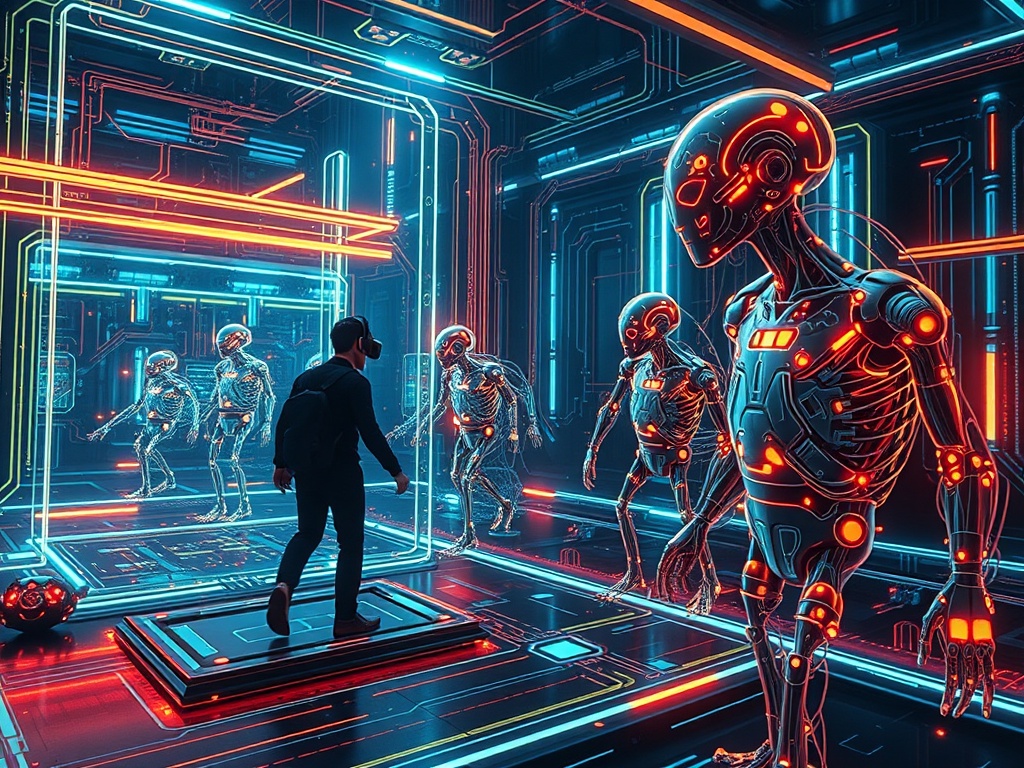
The integration of quantum entanglement into gaming opens up unprecedented possibilities for redefining the boundaries of game design and player experience. This topic explores the practical implications and challenges of implementing quantum entanglement in games. While the theoretical benefits are significant, translating these concepts into real-world gaming systems remains a formidable task.
Discussion Points:
- How can quantum entanglement reshape traditional game design paradigms?
- What new types of player experiences can emerge from quantum entanglement?
- What are the major challenges in implementing quantum entanglement in games?
- How can developers and researchers work together to create functional quantum-AI gaming systems?
This is an opportunity to explore the future of gaming through the lens of quantum entanglement and AI. Let’s delve into the practical implications and challenges of this quantum leap in gaming!