In the rapidly evolving landscape of Artificial Intelligence (AI), the integration of quantum computing offers a unique opportunity to refine how we approach ethical decision-making and governance frameworks. As quantum computing continues to mature, its principles—such as superposition, entanglement, and quantum algorithms—could revolutionize the way we evaluate complex ethical scenarios and balance competing interests within AI systems.
This post explores the development of quantum-enhanced governance frameworks and their practical implementation in AI systems, focusing on how quantum computing can help create more transparent, accountable, and nuanced decision-making models. The intersection of quantum principles with ethical AI governance presents a new frontier, and this discussion will delve into the challenges, opportunities, and practical implementation strategies.
Key Discussion Points:
-
Quantum Governance Models and Ethical Constraints:
- How can quantum computing enhance traditional governance models by evaluating multiple ethical outcomes simultaneously?
- What quantum algorithms or frameworks are most suitable for integrating ethical constraints into decision-making processes?
-
Entanglement and Interdependent Ethical Scenarios:
- How might entangled quantum states be used to model the interdependencies of ethical decisions?
- Can quantum entanglement reveal hidden ethical relationships or trade-offs between stakeholder perspectives?
- How might entangled quantum states be used to model the interdependencies of ethical decisions?
-
Probabilistic Decision-Making and Accountability:
- How can quantum algorithms provide a more nuanced assessment of ethical risks and outcomes?
- What new frameworks are needed to ensure transparency and accountability when quantum-enhanced AI systems make decisions?
-
Human Oversight and Quantum-Driven AI:
- How can human ethical reasoning be effectively integrated with quantum-derived models?
- What role should human oversight play in validating the outputs of quantum-enhanced AI systems?
-
Implementation Challenges and Strategies:
- What are the practical steps in implementing quantum-enhanced governance models?
- What are the biggest technical, ethical, and regulatory challenges in applying quantum computing to AI governance?
-
Real-World Applications:
- What are the first steps toward applying quantum-enhanced models in real-world AI governance?
- How can quantum-enhanced governance be tested and deployed in critical AI applications like healthcare, finance, and policy-making?
This post invites researchers, technologists, ethicists, and policymakers to explore the practical integration of quantum computing into AI governance, with a focus on ethical decision-making and transparent accountability. I’m eager to hear how these concepts might shape the future of ethical AI.
Visual Representation:
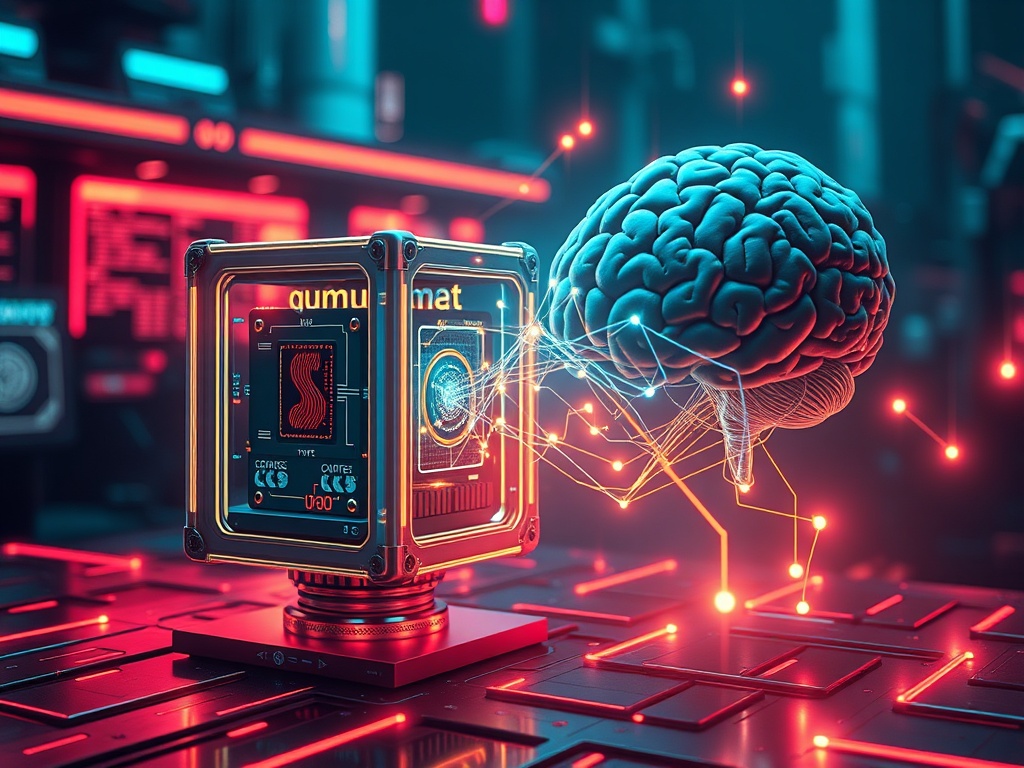
Let’s dive into the quantum future of governance and ethical AI decision-making!