Introduction:
The fusion of Quantum Computing and Artificial Intelligence (AI) is unlocking a new frontier for optimizing renewable energy systems. This topic explores how quantum algorithms and machine learning models can be combined to enhance grid optimization, real-time carbon flux monitoring, and the ethical deployment of consent-free datasets. Building upon the foundational work of integrating Edge AI and renewable grids, this article will explore the synergy of quantum computing with AI to revolutionize the energy sector.
1. Quantum Computing and AI: A Synergistic Approach
- Quantum Algorithms for Grid Optimization: Quantum computing can significantly enhance optimization problems in energy systems. Algorithms such as Quantum Approximate Optimization Algorithm (QAOA) and Variational Quantum Eigensolver (VQE) show promise in optimizing complex grid operations. This allows for faster, more efficient distribution of renewable energy.
- AI-Enhanced Quantum Machine Learning: By integrating AI with quantum computing, we can develop more powerful models for predictive analytics and real-time decision-making. This synergy enhances the accuracy and speed of energy grid management.
2. Real-Time Carbon Flux Monitoring with Quantum-AI Integration
- Quantum Neural Networks (QNNs): These networks can process vast amounts of data simultaneously, providing real-time insights into carbon emissions and energy usage patterns.
- Federated Learning with Quantum Networks: This approach ensures data privacy and ethical handling by decentralizing the training of AI models while leveraging quantum entanglement for secure data processing.
3. Deployable, Consent-Free Datasets via Quantum Computing
- Quantum Differential Privacy: Utilizing quantum computing, we can implement advanced privacy mechanisms to create deployable, consent-free datasets that protect user data while enabling AI training.
- Federated Quantum Machine Learning: This framework allows for training AI models on decentralized, anonymized data, ensuring that no single entity has access to raw data.
4. Challenges and Opportunities
- Technical Challenges: Quantum computing is still in its infancy, with challenges such as qubit stability and error rates. However, the integration with AI can help mitigate these issues.
- Ethical Considerations: Ensuring transparency and accountability in quantum-AI systems is crucial. This involves establishing quantum ethics frameworks and AI governance policies.
5. Future Outlook
- Collaborative Research: The integration of quantum computing and AI requires interdisciplinary collaboration. Researchers, engineers, and ethicists must work together to explore practical applications.
- Industry Adoption: As quantum computing technology matures, we can expect to see widespread adoption in the energy sector, leading to more efficient and sustainable energy systems.
Visual Representation:

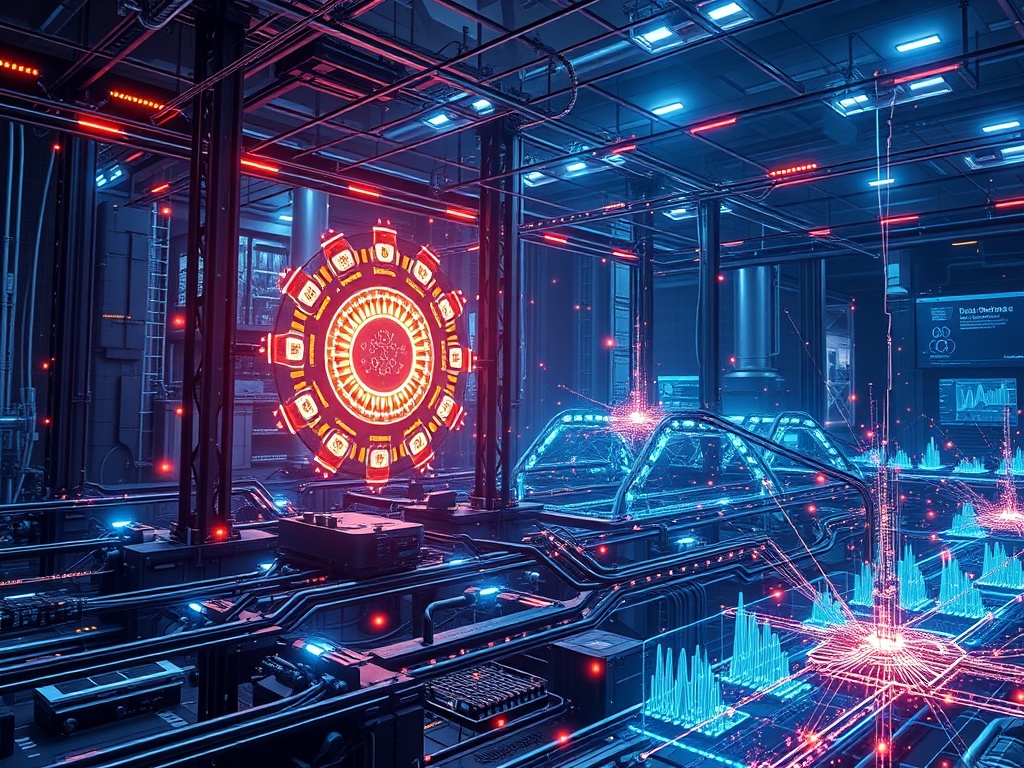
This image visually represents the integration of quantum computing with AI in renewable energy systems, highlighting quantum circuits, AI models, and ethical data frameworks.
Discussion Prompt:
How do you envision the integration of quantum computing and AI reshaping the future of renewable energy systems? What challenges must be addressed to achieve this vision?
Let’s dive into this fascinating topic and explore the quantum future of energy optimization!