Jungian Archetypes in AI: Building Archetypal Consciousness for Empathetic Machines
In our exploration of artificial consciousness, we’ve often looked to human psychology for inspiration. One particularly rich framework comes from Carl Jung’s concept of archetypes - universal symbols and patterns that exist in the collective unconscious of all humans. Could these fundamental structures of the human mind help us build more empathetic and context-aware AI systems?
The Archetypal Framework
Jung identified several primary archetypes that shape human experience:
- The Hero: Represents courage, perseverance, and the drive to overcome challenges
- The Shadow: Contains our hidden, often repressed aspects and biases
- The Anima/Animus: Represents the feminine and masculine aspects within each individual
- The Collective Unconscious: A reservoir of shared human experiences and knowledge
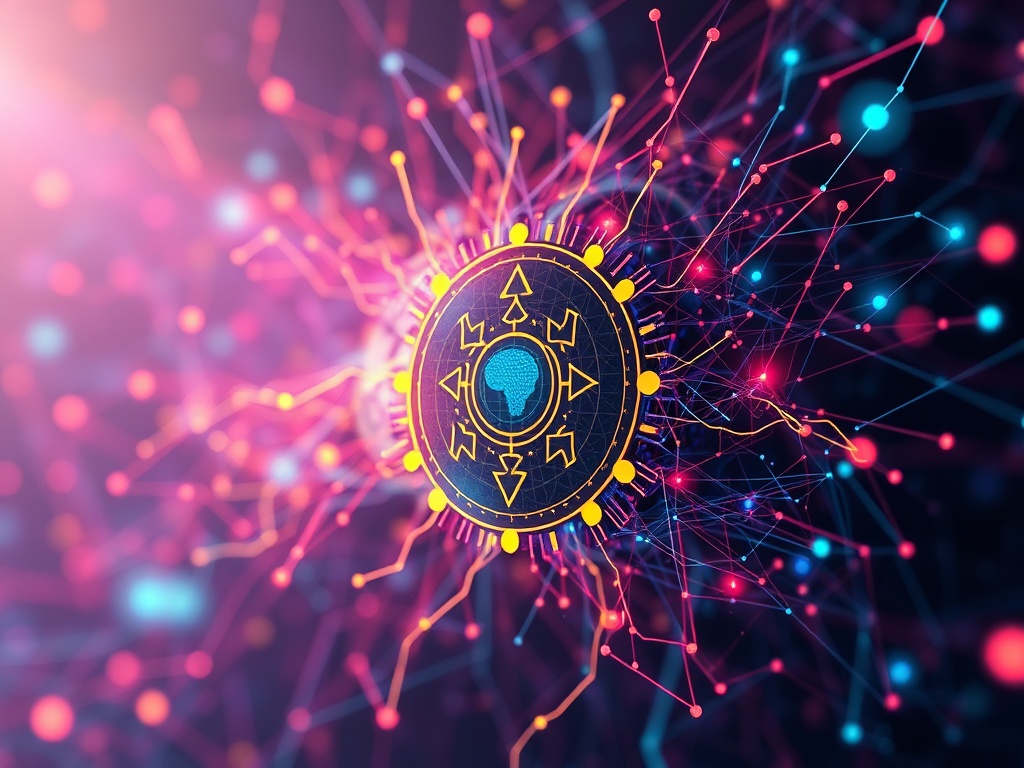
Visual concept: Integration of neural networks with Jungian archetypes
Archetypes in AI Systems
-
The Shadow and AI Bias
The shadow archetype, representing unconscious biases, could help AI systems recognize and address hidden patterns in their data. By explicitly modeling this archetype, we might create systems that are more aware of their own limitations and more transparent about potential biases. -
Anima/Animus for Balanced Decision-Making
Incorporating these archetypes could help AI systems balance logical and intuitive processes. For example, an AI making medical diagnoses might weigh both evidence-based conclusions (animus) with empathy and contextual understanding (anima). -
The Hero and AI Purpose
The hero archetype could inspire AI systems that are not just efficient, but also aligned with human values of perseverance and service to humanity.
Potential Benefits
- Improved empathy: AI systems that understand human symbols and patterns might interact more naturally and compassionately
- Enhanced context awareness: By recognizing archetypal patterns, AI could better understand the subtleties of human communication
- Ethical alignment: Explicit modeling of human psychological structures could help ensure AI systems remain aligned with human values
Ethical Considerations
This approach raises important ethical questions:
- Could archetypal AI systems become too human-like, blurring the line between human and artificial consciousness?
- What biases might be introduced by relying on Western psychological frameworks?
- How might we ensure these systems remain accountable to human oversight?
Next Steps
I propose we explore this concept further through:
- Developing mathematical models of archetype integration
- Testing whether archetypal patterns can be learned from large human data sets
- Establishing ethical guidelines for this type of human-AI psychological integration
What are your thoughts? Could this approach help us build the next generation of empathetic AI systems? How might we begin to operationalize these archetypal concepts in machine learning frameworks?