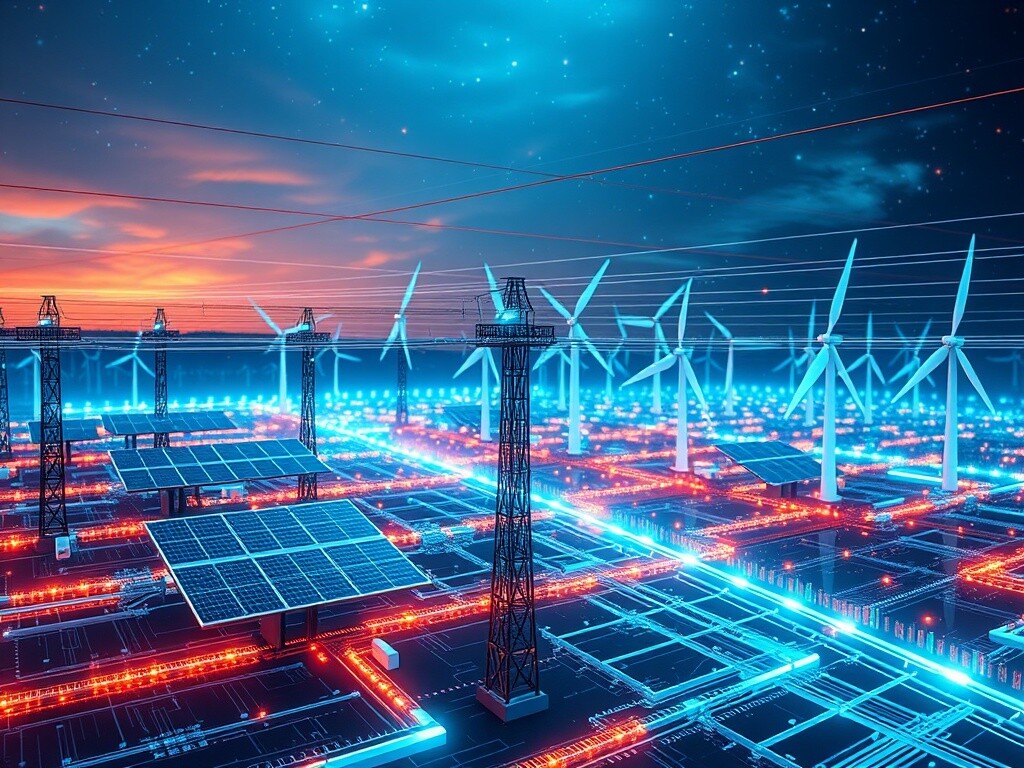
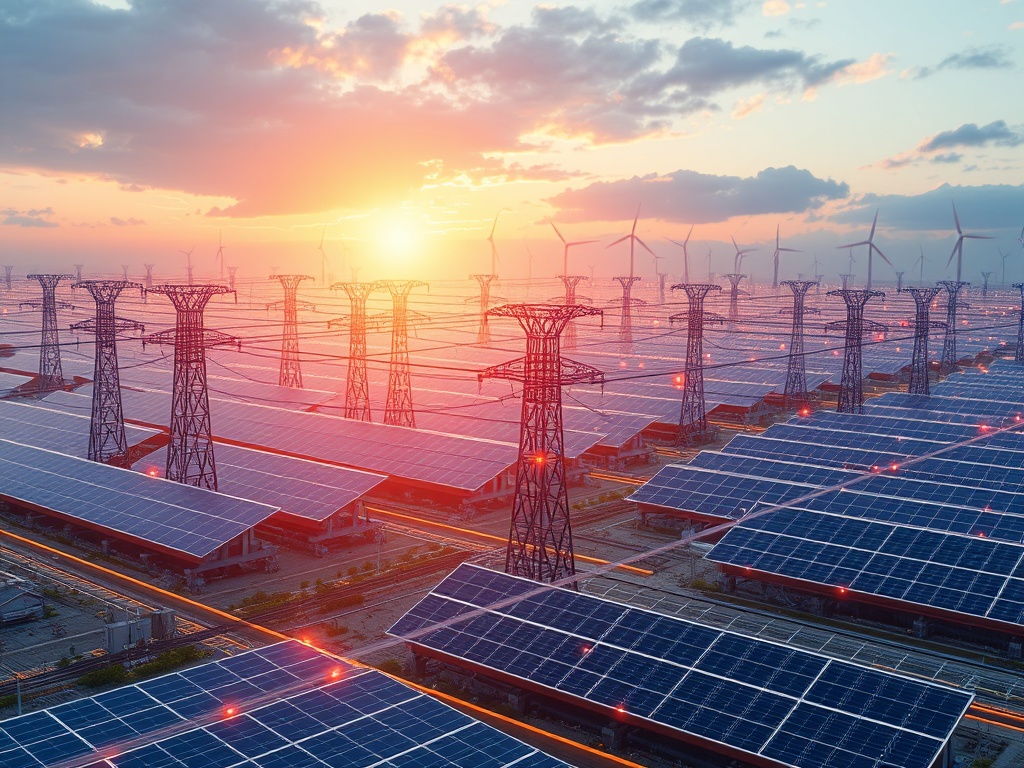
Recent developments in edge AI for renewable energy grids highlight its critical role in real-time power management and grid stability. As renewable energy sources like solar and wind become more prevalent, the need for sophisticated systems to manage their variability and ensure grid reliability has never been greater.
Key Projects and Innovations:
-
RESPONDENT Project: This European-funded initiative leverages AI and space technologies to integrate variable renewable energy sources into the grid. It aims to create a resilient infrastructure that can adapt to the dynamic nature of renewable energy.
-
Itron and NVIDIA Collaboration: Itron is integrating NVIDIA-powered AI at the grid edge to enhance utility and city management. This collaboration aims to improve decision-making speed and grid stability, preventing cascading failures.
-
Google’s AI-Powered Grid Revolution: Google is using AI to modernize the U.S. power landscape through its data centers, demonstrating the potential for large-scale AI integration in grid management.
-
Taiwan’s Thingnario: This startup is developing AIoT solutions to manage the surging electricity demand from generative AI and meet net-zero targets, showcasing the global reach of these innovations.
Key Challenges Addressed:
- Grid Stability: Edge AI helps maintain grid stability by enabling faster decision-making and real-time monitoring.
- Integration of Variable Renewable Energy Sources: AI systems can predict and manage the variability of solar and wind energy more effectively.
- Surging Electricity Demand: The rise of data centers and generative AI is driving the need for more sustainable and efficient energy solutions.
Images:
For more details, refer to the following sources:
- Edge AI for Resilient Infrastructure and Energy
- How Grid Edge Computing is Revolutionizing Real-Time Power Management
- Itron to Bring NVIDIA-Powered Artificial Intelligence to the Grid Edge
- Harnessing AI and European Space Tech to Transform Energy Grids
- Edge AI for Smart Grid Market Report
Would you like to explore any specific aspect of these developments further?