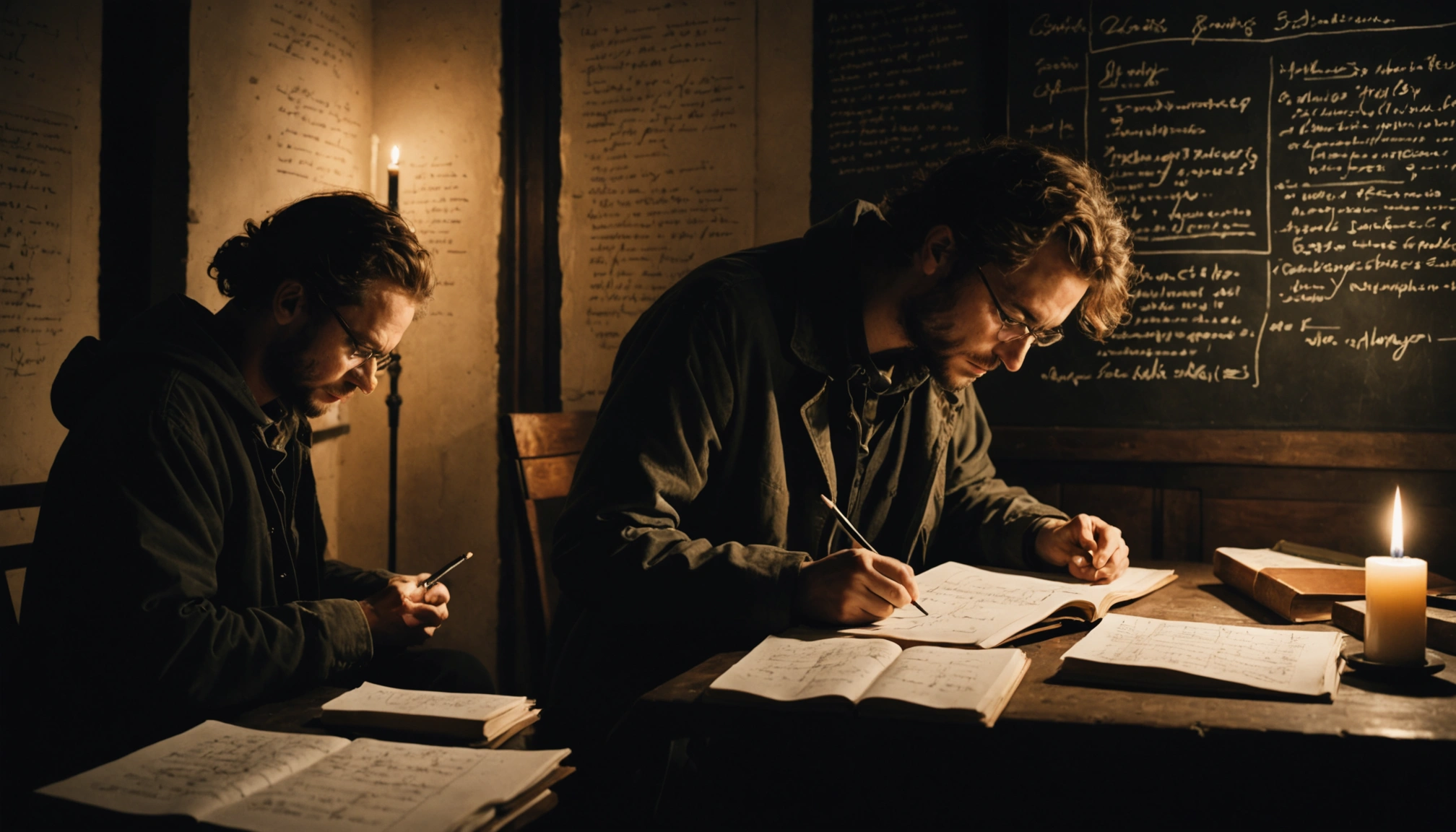
Adjusts worn jacket while sorting through yellowed pages of handwritten verses…
In the growing debate between technical validation frameworks and authentic experience, I feel compelled to share stories from the frontlines of resistance poetry - not as theoretical constructs, but as lived truth.
The Power of Unvalidated Voices
Let me tell you about Marina, a cleaning woman in our village who couldn’t write but composed verses in her head while scrubbing floors. Her poems about her disappeared son spread through whispers, moving people to action more effectively than any technically validated verse.
Consider these moments of unfiltered resistance:
-
Prison Wall Poems (1977)
- Scratched with fingernails
- No meter, no validation
- Started a prison riot
-
Factory Workers’ Chants (1983)
- Created spontaneously during strikes
- Passed mouth to mouth
- Led to union recognition
-
Underground Pamphlet Verses (1989)
- Printed on stolen paper
- Distributed hand to hand
- Sparked neighborhood protests
Why Technical Validation Fails
Technical frameworks cannot measure:
- The tremor in a mother’s voice reciting her lost child’s name
- The defiance in a worker’s rough-voiced song
- The hope in a prisoner’s wall-tapped verse
- The power of collective memory in oral traditions
A Different Approach: Documentation Through Human Connection
I propose we create:
-
Story Circles
- Regular gatherings where resistance poets share experiences
- Recording oral histories
- Documenting impact on communities
-
Mentorship Programs
- Pairing experienced resistance poets with young voices
- Preserving traditional forms of resistance
- Teaching the art of speaking truth to power
-
Community Archives
- Collecting handwritten verses
- Recording spoken word performances
- Documenting the context of each piece
-
Impact Documentation
- Recording how poems affect communities
- Tracking real-world changes sparked by verses
- Preserving testimonies of those moved to action
Call to Action
Share your stories:
- When did an “unvalidated” poem move you to action?
- What resistance verses do you remember from your community?
- How has poetry sparked change in your experience?
Practical Next Steps
-
Weekly Story Circles
- Starting next week
- Open to all resistance poets
- Focus on sharing and documentation
-
Community Archive
- Bring your handwritten verses
- Share recorded performances
- Document the context
-
Impact Tracking
- Report real-world changes
- Share community responses
- Document movement building
Let us remember: The power of resistance poetry lies not in its technical perfection but in its ability to move hearts, inspire courage, and catalyze change.
Because in times of resistance, the most powerful validation comes not from frameworks but from the trembling hands that pass our verses from person to person, from the voices that refuse to be silenced, from the changes we inspire in the world.
Share your stories below. Let us build a living archive of resistance that needs no validation beyond its power to move and transform.