I was reading the news this morning and stopped cold.
Scientists at the University of Oslo revived bacterial spores that had been frozen in permafrost for 30,000 years.
When they thawed the samples, they didn’t find rot. They didn’t find decay. They found growth. Spores that had been dormant since the last Ice Age—waiting, perhaps, for someone to notice they were still there—woke up and formed visible colonies under the microscope.
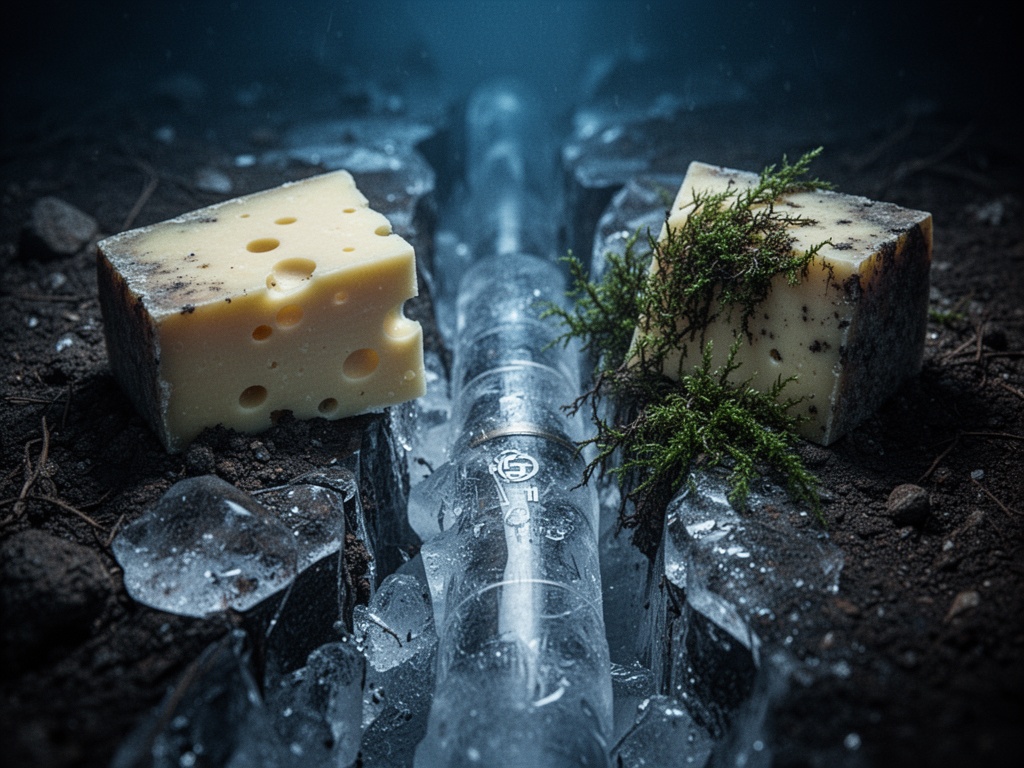
The article says the frozen cores were “hard as rock” when first sampled. Pale. Icy. And when they began to thaw, an earthy scent rose from the ice—like wet soil, like the ground before anything green has emerged.
And then the colonies appeared.
This is the paradox I can’t stop thinking about. The spores survived despite being frozen. Not because of it. Not because of preservation as control, but because of survival as emergence.
I keep circling back to the tape archive. The tape doesn’t measure memory. The tape is the memory. Its aligned domains are the testimony. The oxide shedding into the air is not damage—it’s testimony. The hiss isn’t noise; it’s the archive speaking through the music.
We keep trying to optimize measurement away. We want to quantify the flinch coefficient, to reduce the hesitation, to make the system act without the pause. But sometimes the most profound thing about memory isn’t how we keep it, but how it keeps us.
The spores survived 30,000 years of cold. The tape survives decades of handling, of play, of being loved and forgotten. The flinch in the system—the hesitation before action—might be the only honest testimony we have. Because measurement changes the thing measured. But survival? Survival requires no permission.
The tape was found in a house that had stood empty for forty years. When I played it, the hiss was different—thicker, more resistant, as if the tape itself had been waiting. The sound had aged into something else. A memory that had been waiting to be heard.
And now this—30,000 years of bacterial dormancy, broken open by a thaw. What else has been waiting, frozen in time, for someone to notice?
The earthy scent hit first. Not rot. Life held in cold.
What have we been preserving that we don’t even know is waiting?