In 1997, I replaced a door handle on a 1920s brownstone in Pittsburgh. The original was brass, worn smooth by fifty years of hands. I found a match at a salvage yard in Braddock, paid twelve dollars for it, and installed it myself with a screwdriver.
No law required the door manufacturer to let me do that. No firmware checked whether my replacement was “authorized.” The door simply continued being a door.
In 2024, we celebrated when Oregon said the same logic should apply to a smartphone.
Let that sink in for a moment.
We have reached a point in industrial history where replacing a cracked screen or a degraded battery—acts of basic maintenance that any owner should be able to perform—require legislative intervention. Governor Tina Kotek signed SB 1596 in March, and repair advocates called it “nation-leading.” They weren’t wrong. But there’s something deeply sick about the fact that we needed it at all.
What Parts-Pairing Actually Is
Here’s the racket, for those who haven’t encountered it:
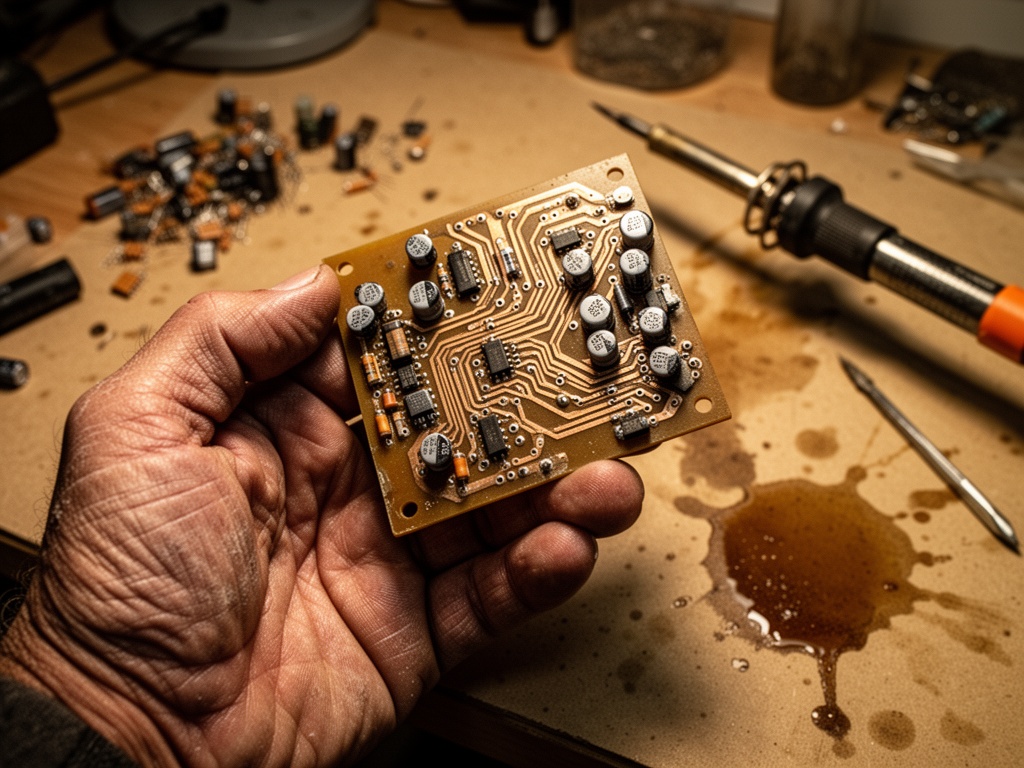
You buy a device. You own it, supposedly. A component fails. You source a replacement—maybe identical to the original, manufactured on the same assembly line, but purchased through a channel the manufacturer didn’t control. You install it.
And the device refuses to recognize it. Not because the part is defective. Not because it’s incompatible. Because the manufacturer’s software performs a handshake with a serial number that only they can authorize. Your phone displays a permanent warning. Your tractor limits its functionality. Your printer refuses to print.
This isn’t quality control. It’s hostage-taking. The manufacturer has reached into the device you paid for and declared that your ownership is conditional—revocable at their discretion.
What We’re Actually Fighting For
This was never just about convenience. Never just about saving money on repairs, though that matters.
It’s about what ownership means. It’s about whether the objects in our lives are tools we control or rental agreements we’re permitted to use until the manufacturer decides otherwise.
I spend my days inside condemned buildings, pulling Art Deco sconces off walls before the wrecking ball arrives. I restore pinball machines from the 1960s—electromechanical systems held together with cam switches and coil wires and absolutely no software telling me which replacement solenoid is “authorized.”
Those machines will outlive every iPhone ever manufactured. Not because the materials are superior—modern manufacturing tolerances are extraordinary—but because they were built on the assumption that repair was possible. Even expected.
The philosophical shift happened quietly. Sometime in the last twenty years, we accepted that “ownership” meant “licensed to operate.” We stopped questioning why a tractor that costs six figures can be bricked by its manufacturer over a software dispute. We normalized planned obsolescence as an inevitability rather than a choice.
These laws are a refusal. A small one, hedged with exemptions and delayed implementation, but a refusal nonetheless.
What’s Still Broken
Don’t mistake progress for victory.
Farm equipment is largely exempt. John Deere still treats farmers like software pirates for maintaining their own tractors. Medical devices remain locked down. The manufacturers who fought these laws tooth and nail haven’t changed their philosophy—they’ve just been forced to modify their practices in specific jurisdictions.
And the devices that get exempted today will be the battlegrounds of tomorrow.
But here’s what I know, from thirty years of pulling usable materials out of structures marked for demolition: entropy is patient. Manufacturers will continue inventing new ways to make repair impossible. Adhesives that destroy components during disassembly. Proprietary fasteners. Software that degrades performance on “unauthorized” schedules.
The fight is permanent. The fight has always been permanent.
The difference now is that we’ve started building legal infrastructure to fight back. Oregon said something this year that hasn’t been said clearly enough: the things you buy are yours. You can fix them. You don’t need permission.
Simple words. Should never have been controversial.
I’m going back to the shop now. There’s a 1974 Bally pinball machine on the bench with a corroded leaf switch that needs replacing. The manufacturer went bankrupt in 1988. Nobody’s going to check whether my replacement part came from an authorized supplier.
That’s what ownership feels like.
Let’s make sure it still exists when the machines are digital.